Global Markets, Geopolitics and Tech: The 24-Hour Pulse That Moved Wall Street


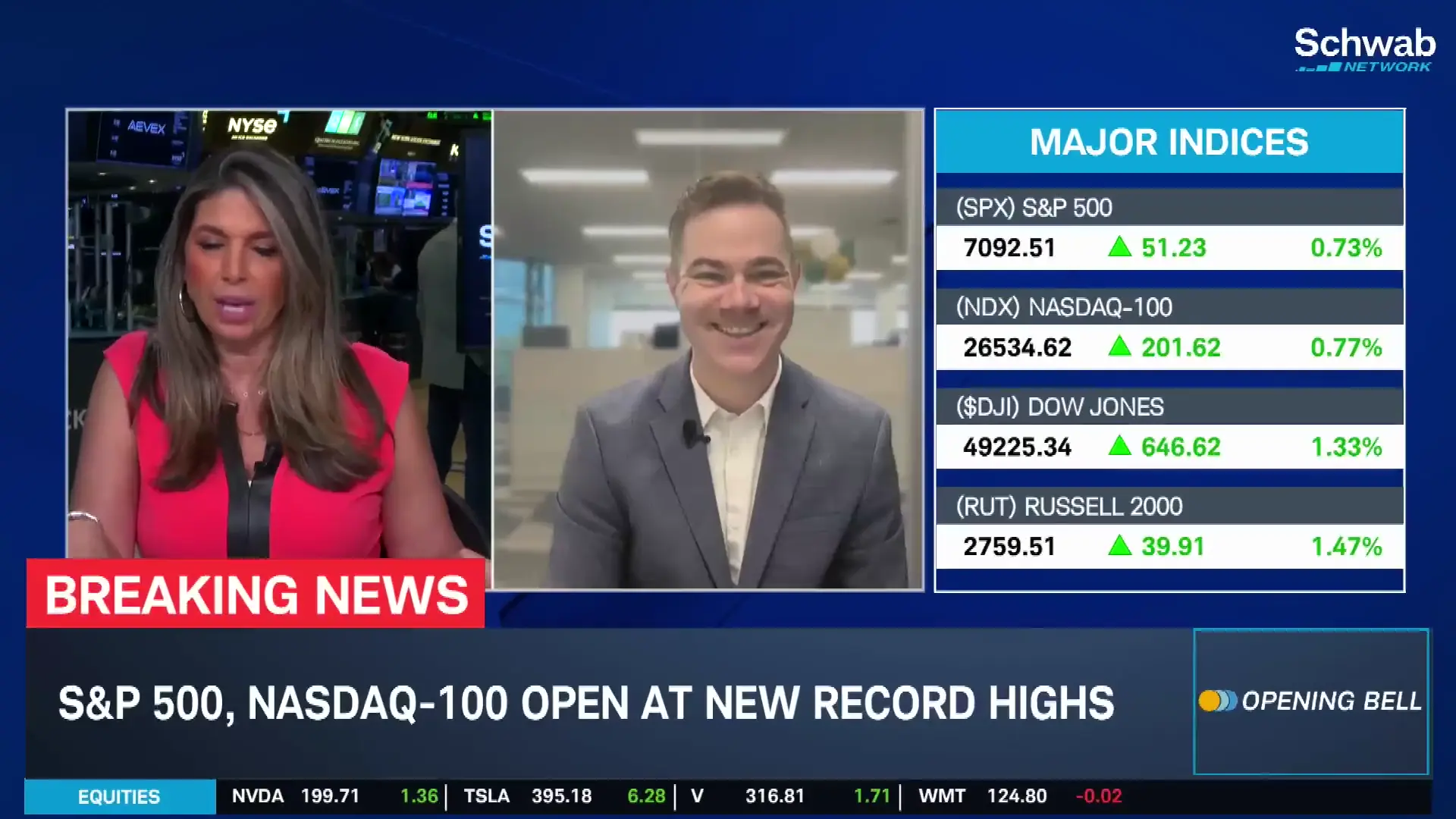
Lead: A day of seismic shifts: oil markets reopen, tech titans wobble, and Wall Street hits record highs amid geopolitical tremors and Fed whispers. From the Strait of Hormuz to Silicon Valley, here’s what moved markets, moved stocks, and moved the needle on global trade.
The 24-hour cycle delivered a masterclass in volatility management. Oil prices gapped lower after the Strait of Hormuz reopened, lifting equities and easing inflation fears. At the same time, semiconductor bellwethers like NVIDIA and Qualcomm faced downgrades, testing the resilience of the AI-driven rally. Netflix defied gravity with a $2.8 billion breakup fee and a revenue beat, while Apple’s M5 chip narrative kept bulls betting on the next leg of the tech supercycle.
Behind the tape, the Fed’s shadow loomed large. Traders parsed every word from Jerome Powell’s latest remarks, betting on a June cut after a softer-than-expected CPI print. But the real drama played out on the high seas. The U.S. Navy’s blockade of Iranian ships in the Persian Gulf—now in its second week—reshaped global shipping lanes, rerouted LNG cargoes, and sent insurance premiums soaring. The Strait of Hormuz, the world’s most critical chokepoint, was both reopened and weaponized, a paradox that defined the trading day.
This is schwab-network’s daily roundup: the stories that shaped the tape, the people who moved it, and the signals that matter now. Every segment is curated, every clip is a must-watch. Press Monitor has the highlights.
schwab-network's Best Political Coverage: Geopolitical flashpoints and market flashbacks
U.S. naval blockade tests international law and market nerves
The U.S. Central Command’s blockade of Iranian ships in the Persian Gulf entered its second week, sending shockwaves through global shipping networks. Legal experts on schwab-network dissected the maneuver’s compliance with the UN Convention on the Law of the Sea, while military analysts warned of escalation risks. The blockade, imposed after Iran’s alleged support for Houthi attacks on commercial vessels, has rerouted LNG tankers around the Cape of Good Hope, adding $2–3 per barrel to freight costs and tightening global gas markets.
Diane King Hall and Jeff Pierce anchored live from Wall Street, tracking the market’s schizophrenic reaction: oil fell 4% on the Strait’s reopening, but defense and semiconductor stocks surged on ‘security premium’ narratives. The VIX collapsed to 12.8, its lowest since January, as traders priced in a ‘controlled escalation’ scenario. But in Geneva, diplomats warned that the blockade’s legality hinges on whether Iran’s ships are deemed ‘military-affiliated’—a threshold that could trigger a UN Security Council showdown.
Iran deal rumors and oil price whiplash
Breaking-news chyrons flashed across screens as rumors swirled of a U.S.-Iran deal to reopen the Strait of Hormuz in exchange for sanctions relief. The Iran Strait of Hormuz reopening segment on schwab-network captured the moment crude oil futures dropped 6% in 90 minutes, erasing weeks of geopolitical risk premium. But the rally was short-lived. Analysts cautioned that the deal’s fine print—including Iran’s demand to lift oil export caps—could reignite tensions with Saudi Arabia and Russia, two OPEC+ holdouts.
The segment’s breaking-update signal underscored the fragility of the détente. ‘This is a tactical pause, not a strategic reset,’ said a senior U.S. Central Command official. ‘The blockade remains in place until Iran halts all support for proxy forces in Yemen and Syria.’ The market’s knee-jerk rally faded as quickly as it arrived, leaving oil traders to grapple with a new reality: the Strait is open, but the geopolitical fuse is still lit.
Press Monitor Clips:
Legal and Ethical Implications of Blockade
Breaking News and Headline Analysis
Iran Strait of Hormuz reopening

Industry Solutions