Global Markets in Flux: Geopolitics, Tech Earnings and Fed Policy Dominate Trading Week


Global markets navigated a turbulent week as geopolitical tensions in the Strait of Hormuz collided with record-setting corporate earnings and shifting Federal Reserve policy expectations. From the S&P 500’s march toward fresh highs to the semiconductor sector’s supply constraints and the airline industry’s battle with soaring oil prices, investors faced a complex landscape of risks and opportunities. This comprehensive roundup examines the stories driving today’s trading decisions, the expert analysis shaping market sentiment, and the strategic implications for portfolios in an era of heightened uncertainty.
Top Political News, Issues and People
Geopolitical tensions escalate in Strait of Hormuz
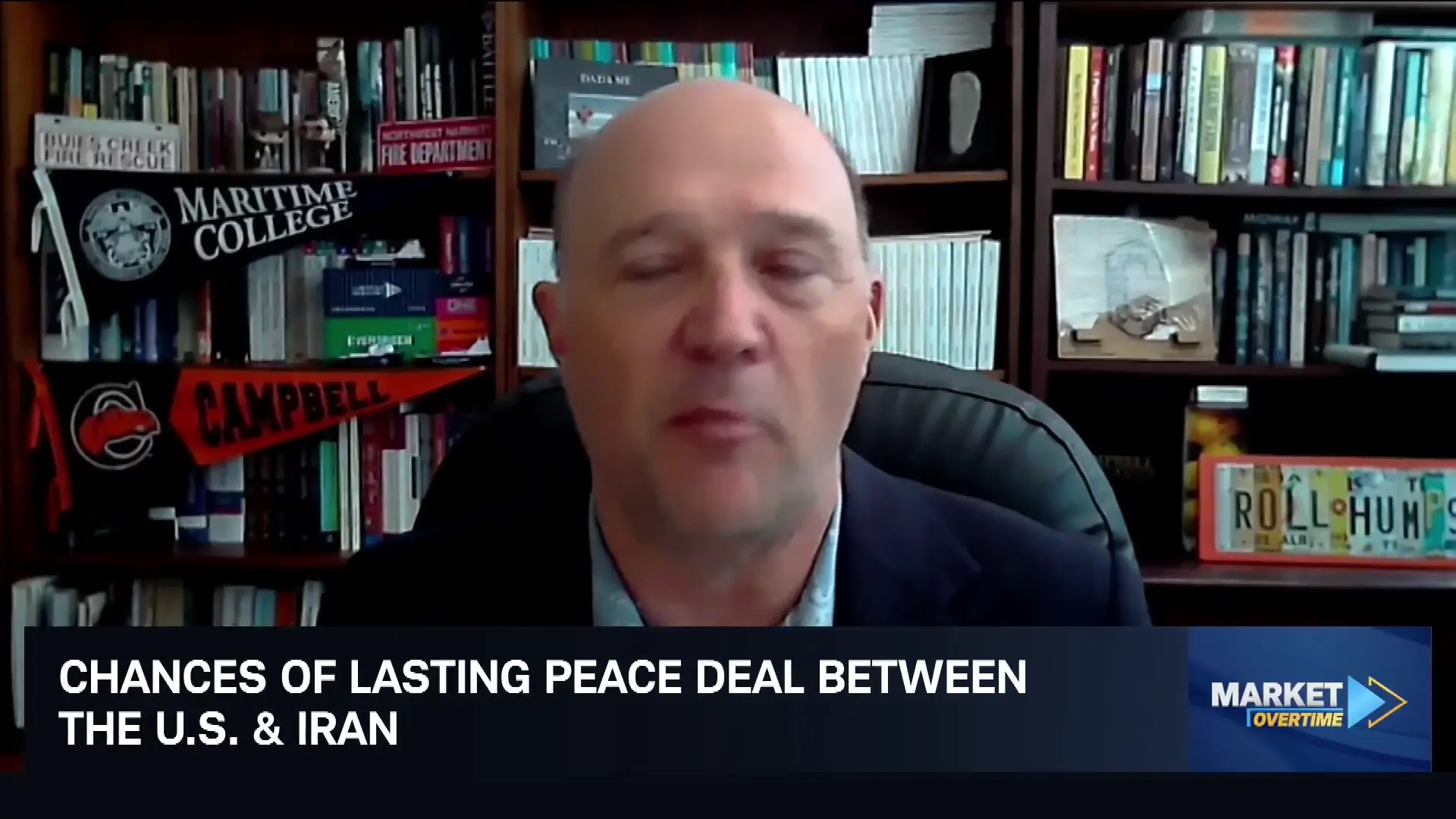
The Strait of Hormuz remains the epicenter of global trade risks as the U.S. blockade on Iranian vessels intensifies geopolitical confrontation. President Trump’s economic levers—tariffs, blockades, and ceasefire negotiations—are being tested against the backdrop of record-high oil prices and volatile equities. Analysts warn that any escalation could disrupt 20% of global oil flows, sending shockwaves through energy markets and supply chains. The U.S. Navy’s Central Command is closely monitoring vessel movements, while Iran’s foreign minister has called for international intervention to prevent a humanitarian crisis among merchant mariners caught in the crossfire.
Iran ceasefire talks: Market relief or temporary lull?
Conflicting reports from Tehran and Washington have left markets grappling with the credibility of ceasefire negotiations. Shipping companies are reassessing routes through the Strait, with some rerouting vessels around the Cape of Good Hope to avoid the Persian Gulf. Insurance premiums for vessels transiting the region have spiked, reflecting the elevated risk environment. Analysts caution that even a temporary ceasefire may not be enough to stabilize oil prices, which have surged above $81 per barrel amid fears of prolonged disruptions.
White House tech integration: Pentagon embraces AI tools
The Department of Defense has accelerated its integration of Anthropic’s AI tools, signaling a strategic pivot in government technology policy. The move follows a White House directive to streamline AI adoption across federal agencies, with Pentagon officials citing improved decision-making and operational efficiency. The initiative, codenamed Gemini, aims to enhance real-time threat assessment and logistics planning. While defense contractors like Avex stand to benefit from increased AI-driven procurement, critics warn of potential vulnerabilities in cybersecurity and data integrity.
Press Monitor Clips: Geopolitical and Economic Analysis Segment; Geopolitical Risk and Straits of Hormuz Analysis; Market News and Gemini White House Integration
Inflation hedging in focus: TIPS and government bonds under scrutiny
With inflation expectations rising, investors are flocking to Treasury Inflation-Protected Securities (TIPS) and government bonds as hedging tools. Neil Sun, portfolio manager at RBC Global Asset Management, emphasized the importance of liquidity and defensive positioning in an environment of geopolitical risks and Fed policy uncertainty. ‘TIPS offer a real yield cushion against inflation, but their effectiveness depends on the Fed’s ability to anchor long-term expectations,’ Sun noted. The strategy is particularly appealing to high-net-worth investors seeking to preserve capital amid market volatility.
Fed policy watch: Market braces for potential chair changes
Speculation is mounting over potential changes to the Federal Reserve’s leadership, with analysts dissecting the implications for interest rate policy. Nancy Davis, founder of Quadratic Capital, highlighted the market’s sensitivity to Fed communications, particularly around inflation and employment data. ‘The Fed’s dual mandate is under scrutiny as inflation remains sticky and the job market shows signs of cooling,’ Davis said. Her analysis underscores the delicate balance policymakers face in guiding the economy toward a soft landing.
Joe Mazzola and Lizanne Saunders: S&P 500’s record-setting rally
The S&P 500’s surge to all-time highs after a 5-10% pullback has been driven by a confluence of factors, including sector rotation, CTAs (Commodity Trading Advisors) positioning, and optimism around AI-driven productivity gains. Joe Mazzola of Charles Schwab and Lizanne Saunders of KKM Financial dissected the rally’s breadth and sustainability, noting that ‘momentum stocks are leading the charge, but the real test will be whether earnings growth can justify current valuations.’ Their discussion also touched on the role of Fed policy in sustaining the rally, with both experts warning of potential volatility if inflation data disappoints.
Press Monitor Clips: Market Analysis with Joe Mazzola and Lizanne Saunders; Macro Market Review: Fed Policy, Geopolitical Risk, and Sector Rotation
Critical metals: Greenland’s rare earths project gains momentum
The approval of Greenland’s rare earths and lithium project has sent shockwaves through the critical metals market, with Jeff Pierce of Charles Schwab calling it a ‘game-changer for the energy transition.’ The project, located in a politically stable region, could reduce Western dependence on Chinese supply chains while supporting the growth of electric vehicles and renewables. Pierce’s analysis highlighted the project’s potential to drive high-beta growth stocks, particularly in the defense and energy sectors. ‘This is not just about supply; it’s about strategic autonomy,’ Pierce noted.
Semiconductors: AI demand outstrips supply constraints
The semiconductor industry is caught in a tug-of-war between AI-driven demand and supply chain bottlenecks. Matt Bryson of Wedbush Securities warned that ‘pricing power is shifting to suppliers as AI server demand outpaces production capacity.’ His analysis focused on key players like TSMC, NVIDIA, and Qualcomm, with Bryson predicting that ‘earnings growth will be bifurcated—winners will be those with pricing power, while laggards will face margin compression.’ The discussion also touched on the geopolitical dimensions of the industry, particularly the U.S.-China tech war and its impact on global supply chains.
Qualcomm: Smartphone slump pressures margins
Qualcomm’s decision to cut chip prices from $180 to $120 reflects the harsh realities of a smartphone market in decline. Analysts are downgrading the stock on concerns over revenue stagnation and margin compression, particularly in China, where competition from Huawei and Samsung is intensifying. Kevin Green of Ameritrade noted that ‘Qualcomm’s licensing revenue is under pressure, and the smartphone slump is unlikely to reverse in the near term.’ The downgrade by BNP Paribas has sent ripples through the market, with investors questioning the sustainability of the company’s business model in a post-AI world.
Press Monitor Clips: Semiconductor Industry Analysis with Wedbush Securities; Qualcomm Market Analysis: Smartphone Chip Demand and Earnings Outlook; Qualcomm vs Competitors: Market Share and Competitive Pressures
Airlines: Oil prices and jet fuel shortages hit profitability
The airline industry is facing its toughest environment in years, with oil prices hovering near $81 per barrel and jet fuel shortages threatening to derail profitability. Sam Vardas of Skift and Ted Weisberg dissected the sector’s winners and losers, highlighting the resilience of premium carriers like Delta and United, which have successfully passed on fuel costs to passengers. ‘The K-shaped economy is evident in airline performance—premium travelers are flying, but budget airlines are struggling,’ Vardas noted. The discussion also touched on the regulatory challenges facing the industry, including labor disputes and environmental mandates.
Apple: Valuation debate intensifies amid AI integration
Apple’s stock is caught in a tug-of-war between its traditional hardware business and its ambitions in AI. Tom White and Kevin Hanks debated the company’s valuation, with White arguing that ‘Apple’s cash reserves and ecosystem strength justify its premium valuation.’ Hanks countered that ‘the market is underestimating the risks of AI integration, particularly in terms of execution and competition.’ Their panel discussion underscored the challenges facing Apple as it seeks to diversify beyond iPhones and Macs.
Netflix: Earnings miss sparks strategic reassessment
Netflix’s Q1 earnings miss has forced a strategic reassessment, with Reed Hastings acknowledging that ‘ad-supported tiers are not yet delivering the revenue growth we expected.’ Analysts are questioning the company’s ability to compete with Disney and Amazon in the streaming wars, particularly as live sports and advertising become key differentiators. Jenny Horne and Dan Deming dissected the implications for Netflix’s stock, with Horne noting that ‘the market is punishing the company for its guidance miss, but the long-term story remains intact.’
Press Monitor Clips: Airlines Sector Deep Dive; Apple Stock Analysis Panel; Netflix Earnings Analysis and Market Reaction
Commercial real estate: AI’s impact on Silicon Valley’s office market
Barry DeRaymondo, CEO of Steel Wave, provided a sobering assessment of Silicon Valley’s commercial real estate market, where AI adoption is accelerating the shift toward hybrid work models. ‘The demand for office space is bifurcated—high-quality properties in prime locations are holding up, while Class B and C properties are struggling,’ DeRaymondo noted. His analysis highlighted the challenges facing private equity firms and high-net-worth investors seeking to capitalize on distressed opportunities in the sector.
AI investment theme: Venture capital and public markets diverge
Crit Thomas of Touchstone Investments argued that AI remains the dominant investment theme, with venture capital firms pouring billions into early-stage startups while public markets grapple with valuation concerns. ‘The divergence between private and public markets reflects the uncertainty around AI’s long-term impact on productivity and profitability,’ Thomas said. His analysis underscored the risks of overpaying for growth stocks in a market where earnings growth is lagging behind valuations.
Oracle and Texas Instruments: Analyst upgrades drive momentum
Oracle and Texas Instruments have emerged as relative outperformers in the tech sector, with analyst upgrades citing strong demand for AI servers and resilient pricing power. Analysts at Mizuho upgraded Texas Instruments, noting that ‘AI server demand is driving a structural shift in analog chip pricing.’ Meanwhile, Oracle’s technical analysis suggests that the stock is poised to break out of its recent consolidation, with momentum indicators pointing to further upside.
Press Monitor Clips: Commercial Real Estate Expert Discussion: AI and Market Trends; AI Investment Theme Analysis; Texas Instruments and AI Demand Analysis
Geopolitical market impact: Strait of Hormuz reopening and commodity adjustments
Kevin Green of Ameritrade provided a comprehensive analysis of the geopolitical risks facing global markets, with a focus on the Strait of Hormuz and its implications for commodity prices. ‘The reopening of the Strait would be a major relief for global trade, but the risks of escalation remain high,’ Green noted. His analysis underscored the need for investors to diversify across asset classes and geographies to mitigate the impact of geopolitical shocks.
Roblox: CEO vision for 2026 and market expansion
Naveen, Roblox’s CEO, outlined the company’s strategic focus on AI-driven content creation and regional expansion, particularly in APAC and Japan. ‘Our goal is to accelerate the evolution of user behaviors through AI-powered discovery algorithms,’ Naveen said. His vision for 2026 includes a stronger emphasis on multiplayer experiences and platform safety, with the company aiming to attract a global audience of digital natives.
Press Monitor Clips: Geopolitical Market Impact Analysis; Roblox CEO Vision for 2026: Innovation & Market Expansion

Industry Solutions