estrella-news's 24-Hour Power Brief: Geopolitical Shifts, Market Turmoil, and Cultural Storms Dominate April 17 Coverage


Lead: The world’s geopolitical fault lines widened Thursday as Iran’s reopening of the Strait of Hormuz sent shockwaves through global markets, while Venezuela’s U.S. Embassy protests escalated diplomatic tensions. Pope León XIV’s moral interventions clashed with Donald Trump’s political rhetoric, and FIFA’s controversial World Cup half-time show proposal sparked outrage among players and fans alike. estrella-news’s curated roundup reveals how these crises are reshaping economies, politics, and cultures from Miami to Tehran.
Geopolitical Fault Lines Widen
Iran’s decision to reopen the Strait of Hormuz after a month-long closure sent oil prices plummeting by over 10% and triggered a sharp rally in U.S. stock markets. The move, confirmed by Donald Trump, followed a ceasefire in the Israel-Lebanon conflict and eased immediate fears of a regional war. Economists warned, however, that the relief may be temporary, with delayed supply chain effects—from gasoline to fertilizers—expected to ripple through global markets over the coming weeks and months. [CLIP: Iran Hormuz Strait Reopening and Market Impact - 1:50]
Meanwhile, Venezuela’s political crisis deepened as protesters stormed the U.S. Embassy in Caracas, delivering a list of demands that included immediate presidential elections, salary increases, and the release of political prisoners. The document, presented to consular official John Barrett, underscored the escalating tensions between Venezuela’s government and the international community. [CLIP: Venezuela Protests: Diplomatic Demands - 0:12]
Cuba’s government, led by Miguel Díaz-Canel, called for heightened national defense amid mounting U.S. sanctions and diplomatic provocations. The Cuban president’s warning came as secret communications between Havana and Washington failed to ease the standoff, with Raúl Castro’s attempts to send a letter to Trump rebuffed. [CLIP: Cuba-North America Diplomatic Tensions - 0:09]
Religion, Politics, and Moral Dilemmas
Pope León XIV’s dual role as spiritual leader and political commentator took center stage as he weighed in on the Iran-U.S. conflict, nuclear diplomacy, and immigration policies. The Pope’s moral authority clashed with Trump’s political rhetoric, particularly over Iran’s nuclear ambitions and the Vatican’s stance on social justice issues. Analysts debated whether the Pope’s interventions were a necessary moral compass or an overreach into secular politics. [CLIP: Vatican's Stance on Iran and Trump's Criticism - 1:13]
In Florida, a proposed law restricting access to state colleges for undocumented students ignited a firestorm of debate. The measure, championed by Governor Ron DeSantis (referred to as Santos in some reports), was criticized for its discriminatory implications and lack of concrete evidence supporting its necessity. Immigration advocates and educators warned of the long-term damage to Florida’s workforce and social fabric. [CLIP: Florida Education Policy: Impact on Indocumentado Students - 7:24]
Economic Aftershocks and Market Reactions
The Hormuz Strait’s reopening provided a temporary reprieve for global markets, but economists cautioned that the relief would be short-lived. Brent crude prices dropped from $120 to $89 per barrel, and gasoline prices followed suit, though analysts warned that the full economic impact—including delayed supply chain disruptions—would unfold over months. U.S. stock markets surged in response, but the optimism was tempered by fears of renewed geopolitical instability. [CLIP: Oil Market Update: Brent Price Drop and Gasoline Impact - 0:54]
Ticketmaster’s legal troubles deepened as a federal jury ruled the company operated as an illegal monopoly, artificially inflating ticket prices and stifling competition. The landmark decision raised questions about artist compensation, secondary market abuses, and the need for industry-wide reforms. [CLIP: Life Nation/Ticketmaster Monopoly Legal Case - 2:12]
Sports, Scandals, and Social Media Storms
FIFA’s proposal to introduce a half-time show during the 2026 World Cup final—comparable to the Super Bowl’s spectacle—sparked a backlash from players, coaches, and fans. Critics argued the innovation would disrupt player performance, degrade the purity of the sport, and prioritize entertainment over competition. The controversy was amplified by the inclusion of Coldplay’s Chris Martin in the spectacle, further polarizing opinions. [CLIP: World Cup 2026 Final: Mid-Time Show Controversy - 3:50]
In the world of music, Karol G found herself at the center of a cultural storm after performing with a mariachi group linked to MAGA supporters. The decision ignited debates about cancel culture, political alignment, and artistic freedom, with figures like Charlie Kirk and Christine Noem weighing in on the controversy. [CLIP: Karol G Coachella Controversy - 5:39]
Meanwhile, the Ana Bárbara family drama continued to captivate audiences, with Adri Tobal offering psychological insights into the codependency dynamics and emotional toll of the scandal. The case, which has dominated social media, raised questions about reconciliation, accountability, and the role of public perception in high-profile disputes. [CLIP: Ana Bárbara Exclusive: Family Drama - 0:10]
Human Rights and Social Justice in the Spotlight
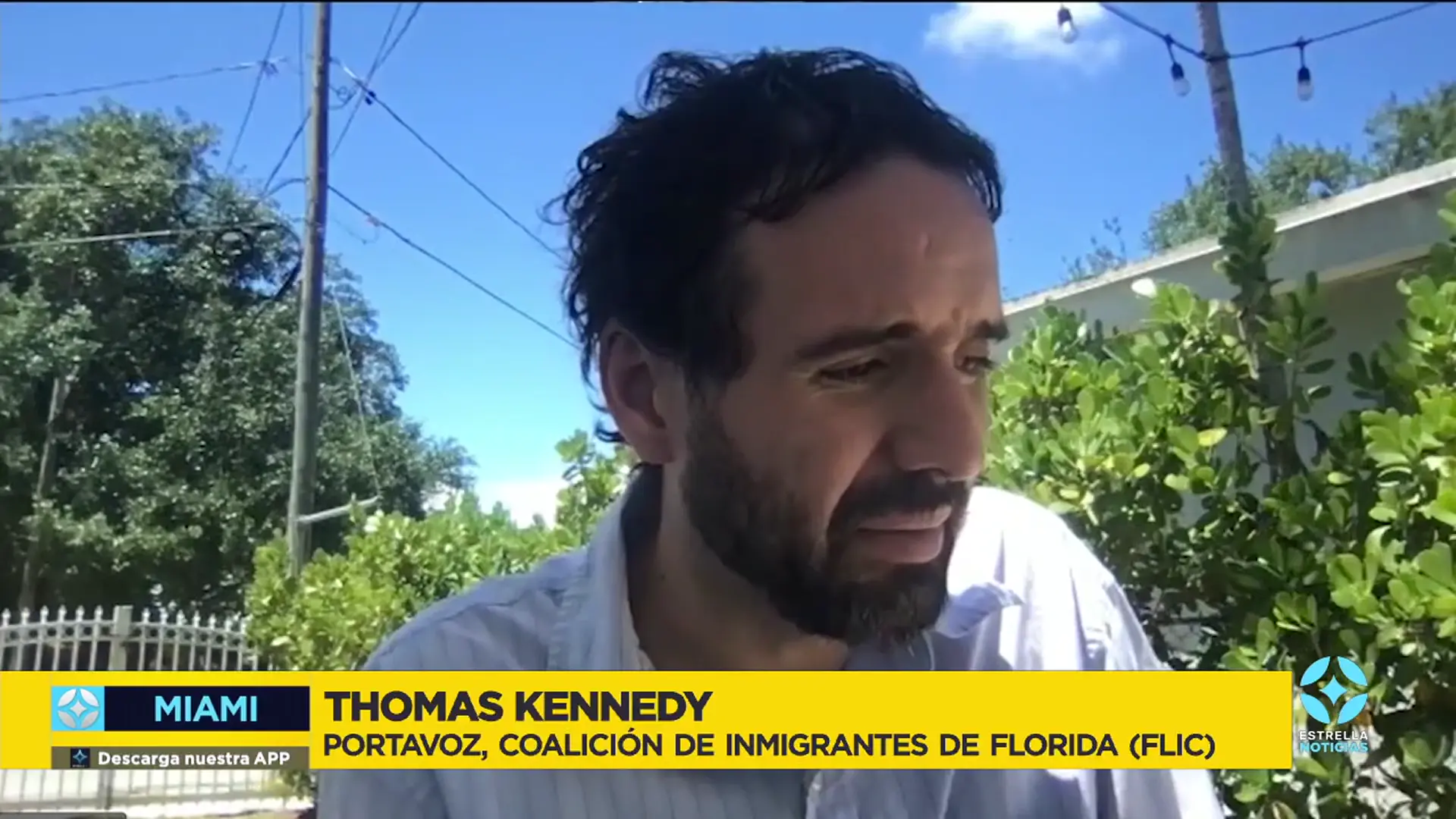
The death of a 27-year-old Cuban detainee in a Miami ICE facility triggered protests and demands for accountability. Immigration advocates, including Ronald Hacha, condemned the conditions in detention centers and called for systemic reforms. The incident highlighted broader concerns about migrant rights and the treatment of detainees in U.S. custody. [CLIP: Cuban Detainee Death in Miami: Group Reaction - 1:12]
In Mexico, the crisis in healthcare access took a dramatic turn as critics lambasted the lack of universal coverage and the economic barriers preventing vulnerable populations from receiving medical care. The discussion, led by figures like Carolina Bigot, emphasized the need for systemic reforms to ensure equitable access to healthcare. [CLIP: Discusión sobre acceso universal a servicios médicos en México - 0:11]
The Week Ahead: What to Watch
As the Hormuz Strait’s reopening reshapes energy markets, the focus will shift to how quickly supply chains can recover and whether geopolitical tensions will reignite. In Venezuela, the U.S. Embassy protests signal a potential escalation in diplomatic pressure, while Cuba’s calls for national defense suggest the island nation is bracing for further confrontation. The Vatican’s moral interventions and Pope León XIV’s political engagements will continue to draw scrutiny, particularly as they intersect with Trump’s policies on immigration and Iran. [CLIP: Final Analysis: Geopolitical and Religious Dynamics - 2:08]
In the realm of sports, FIFA’s half-time show controversy will dominate headlines as players and fans push back against the organization’s commercialization of the World Cup. Meanwhile, the Ticketmaster monopoly ruling will force the entertainment industry to confront its monopolistic practices and the need for reform. [CLIP: Ticket Pricing and Industry Reform Analysis - 5:11]
Press Monitor Clips:
Iran Hormuz Strait Reopening and Market Impact; Venezuela Protests: Diplomatic Demands; Vatican's Stance on Iran and Trump's Criticism; Ticket Pricing and Industry Reform Analysis; Florida Education Policy: Impact on Indocumentado Students; World Cup 2026 Final: Mid-Time Show Controversy; Cuban Detainee Death in Miami: Group Reaction; Ana Bárbara Exclusive: Family Drama
Key Players and Institutions
-
Donald Trump: His administration’s policies on Iran, immigration, and energy markets were central to multiple stories, with his rhetoric often clashing with Pope León XIV’s moral stance.
-
Pope León XIV: The Vatican’s leader emerged as a moral counterweight to political leaders, particularly in debates over Iran, immigration, and social justice.
-
Miguel Díaz-Canel: Cuba’s president called for national defense amid rising U.S. sanctions and diplomatic tensions.
-
Juan Alberto Santos: The political commentator featured prominently in discussions about Iran-U.S. relations, military capabilities, and diplomatic solutions.
-
Karol G: The singer’s decision to perform with a mariachi group linked to MAGA supporters sparked a cultural firestorm.
-
FIFA: The organization’s proposal for a half-time show during the 2026 World Cup final drew widespread criticism.
-
Ticketmaster: The company’s monopoly ruling raised questions about industry reform and consumer rights.
-
John Barrett: The U.S. consular official in Caracas became a focal point in Venezuela’s protest crisis.
Regions and Locations
-
Middle East: The Israel-Lebanon ceasefire and Iran’s reopening of the Strait of Hormuz dominated headlines.
-
Venezuela: Protests at the U.S. Embassy in Caracas escalated diplomatic tensions.
-
Cuba: The government called for heightened national defense amid U.S. sanctions.
-
Florida: A proposed law restricting access to state colleges for undocumented students sparked debate.
-
Mexico: The healthcare crisis and military dog training program highlighted systemic challenges.
-
Miami: The death of a Cuban detainee in ICE custody triggered protests and demands for accountability.
Themes and Trends
-
Geopolitical Tensions: The Hormuz Strait’s reopening and Venezuela’s protests underscored the fragility of global stability.
-
Economic Uncertainty: Market reactions to geopolitical events revealed the interconnectedness of energy, trade, and politics.
-
Cultural Polarization: Karol G’s controversy and FIFA’s half-time show proposal highlighted the clash between tradition and innovation.
-
Social Justice: The deaths of detainees in U.S. custody and the healthcare crisis in Mexico emphasized the need for systemic reforms.
-
Moral Authority vs. Political Power: Pope León XIV’s interventions and Trump’s rhetoric highlighted the tension between religion and politics.
What’s Next?
The coming days will test the durability of the Hormuz Strait’s reopening and whether the ceasefire in the Israel-Lebanon conflict holds. In Venezuela, the U.S. Embassy protests may escalate into a full-blown diplomatic crisis, while Cuba’s calls for national defense suggest the island nation is preparing for further confrontation. The Vatican’s moral interventions will continue to draw scrutiny, particularly as they intersect with Trump’s policies on immigration and Iran. Meanwhile, FIFA’s half-time show controversy will force the organization to confront its commercialization of the World Cup, and Ticketmaster’s monopoly ruling will catalyze industry-wide reforms.
Final Thought
April 17, 2026, was a day of seismic shifts—geopolitical, economic, and cultural. The world’s fault lines widened, markets reacted with volatility, and cultural norms were challenged. estrella-news’s curated roundup captures the essence of these transformations, offering a roadmap for understanding the forces shaping our future.

Industry Solutions