White House shooting: President Trump speaks, Secret Service under scrutiny as nation reels from third assassination attempt


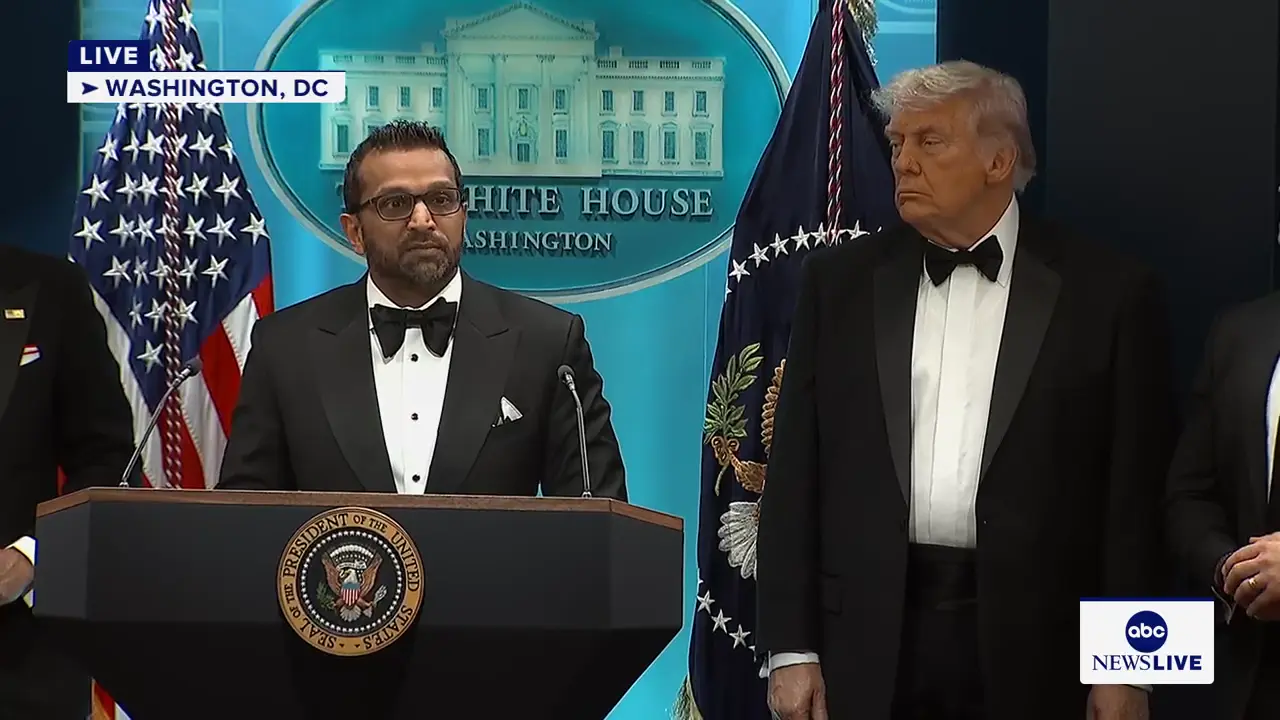
A gunman opened fire at a high-security event near the White House on Saturday, marking the third assassination attempt on a sitting president in less than a year. The incident unfolded during a gathering at a Washington hotel ballroom, where Secret Service agents scrambled to evacuate officials, including President Donald J. Trump and Vice President JD Vance. The shooter, armed with multiple weapons, was neutralised within seconds, but the breach has ignited a firestorm over security failures and the escalating threat of political violence in America.
Live updates and immediate response revealed chaos as eyewitnesses described gunfire erupting without warning from nearly 400 yards away. Secret Service agents, praised for their rapid intervention, subdued the attacker, who was wearing a bulletproof vest. The White House was locked down, and the FBI launched an urgent investigation, urging the public to come forward with any information via 1-800-CALL-FBI. Homeland Secretary Mullen and Attorney General held a joint press conference, emphasising the need for a ‘thorough and transparent’ probe.
Political fallout and national security crisis dominated the airwaves as analysts warned this attack could reshape the 2026 election landscape. President Trump, in a rare prime-time interview, called the incident ‘an act of domestic terror’ and vowed to return to the campaign trail stronger. The Secret Service faced intense scrutiny over its preparedness, with critics questioning whether security protocols had been compromised by recent budget cuts. Meanwhile, Vice President JD Vance was introduced to the nation during a hastily arranged event, underscoring the gravity of the moment.
Legal and ethical implications are now front and centre, as authorities grapple with charges against the suspect, who faces life in prison under federal law. Legal experts debated whether the attack constituted murder or terrorism, while journalists and First Amendment advocates warned of the dangers of reporting in an increasingly volatile climate. The incident has also reignited debates over gun control, mental health, and the role of social media in radicalisation.
Global reaction mirrored America’s shock and outrage, with world leaders condemning the violence and calling for unity. The United Nations Security Council held an emergency session, while European allies expressed solidarity. Analysts noted that the attack could have far-reaching consequences for U.S. foreign policy, particularly in an election year where global stability is already a key concern.
This is abc-news-live’s comprehensive roundup of the day’s most critical coverage, drawing exclusively from our curated ‘Press Monitor’ selection. Below, we dissect the political, security, and societal fallout of the White House shooting, alongside the strongest segments for interviews, analysis, and exclusive insights.
abc-news-live's Best Political Coverage: Escalating threats and the erosion of democratic norms
President Trump’s defiant response and the Secret Service’s moment of reckoning
In a 265-second exclusive interview, President Trump addressed the shooting directly, calling it ‘the third attempt on my life in less than a year.’ He praised the ‘brave Secret Service agents’ who subdued the attacker but criticised ‘weak leadership’ in Washington for allowing such a breach. ‘We will not be intimidated,’ Trump declared, as he outlined plans to ‘drain the swamp’ of corruption that he argued had weakened national security. The interview, conducted at the presidential residence, also featured rare insights into Trump’s personal reflections on the attack, including his wife Melania’s reaction and the couple’s decision to remain in Washington.
JD Vance’s introduction and the VP’s role in a crisis
Vice President JD Vance was formally introduced to the nation during a 31-second segment that underscored the gravity of the moment. While brief, the segment highlighted Vance’s rapid ascent from political outsider to the second-highest office in the land, raising questions about his preparedness for a potential presidential succession. Political analysts noted that Vance’s calm demeanour during the crisis could bolster his standing with voters, particularly among conservatives who view him as a unifying figure.
The White House briefing room: A stage for political theatre and national security
A 33-second live report from the White House briefing room captured the surreal atmosphere as reporters gathered to demand answers. The segment, marked by tense exchanges and shouted questions, revealed the growing distrust between the administration and the press corps. Homeland Secretary Mullen fielded questions about security upgrades, while Attorney General emphasised the ‘ongoing and evolving’ nature of the investigation. The briefing also included a cryptic mention of a ‘suspect’ linked to prior threats, hinting at a broader conspiracy that authorities are still unravelling.
Political violence and the third assassination attempt: A nation on edge
A 489-second panel discussion dissected the implications of the attack, with analysts drawing parallels to the assassinations of Abraham Lincoln, John F. Kennedy, and more recent attempts on Trump’s life. The conversation explored whether America is entering a ‘new era of political instability,’ where violence is no longer a fringe phenomenon but a central feature of the electoral process. Panellists debated the role of rhetoric in inciting violence, with some blaming ‘divisive political culture’ and others pointing to ‘foreign interference’ as a contributing factor.
The suspect’s background and the FBI’s urgent appeal
A 271-second exclusive investigation into the attacker’s motives and background revealed a trail of online radicalisation and prior threats against public figures. The FBI’s urgent appeal for information, broadcast during a 12-second segment, underscored the challenges of tracking lone-wolf attackers in an era of misinformation and encrypted communications. Legal experts weighed in on the potential charges, with some suggesting the attack could be classified as ‘domestic terrorism,’ while others argued for ‘premeditated murder.’
Press freedom and the dangers of reporting in a crisis
A 523-second analysis explored the ethical dilemmas facing journalists covering political violence, from the need for transparency to the risks of sensationalism. The segment featured interviews with reporters who were on the scene, including Weijia Zhang, who described the ‘chaos and confusion’ as Secret Service agents evacuated the ballroom. The discussion also touched on the role of social media in spreading misinformation, with panellists calling for stricter regulations on platforms that amplify violent rhetoric.
Press Monitor Clips: Presidential Interview on Shooting Incident; Follow-up on White House shooting and political implications; Law Enforcement Analysis and Investigation
abc-news-live's Best Business Coverage: Markets, media, and the cost of instability
Note: No business segments were selected in today’s curated roundup.
abc-news-live's Best Sports Coverage: The games go on, but the nation holds its breath
Note: No sports segments were selected in today’s curated roundup.
abc-news-live's Best in Other Coverage: Security, journalism, and the fragility of democracy
The White House shooting: A live crisis unfolds
A 162-second live report from the White House event hall captured the moment gunfire erupted, sending guests scrambling for cover. Reporter Weijia Zhang provided real-time updates, describing the ‘panic and confusion’ as Secret Service agents evacuated officials, including President Trump and Vice President Vance. The segment also included a 40-second breaking update on the White House Correspondents Dinner, where security protocols were tested just hours after the ballroom incident. Analysts noted the ‘stunning proximity’ of the two events, raising questions about whether the nation’s security apparatus is stretched too thin.
ABC News headquarters: Reporters on the front lines
A 77-second live report from ABC News headquarters in Washington provided a ground-level view of the chaos. Reporters described the ‘deafening sound of gunfire,’ the frantic evacuation of staff, and the immediate lockdown of the building. The segment also included reactions from journalists who had just minutes earlier been covering a routine White House event, underscoring the ‘surreal shift’ from normalcy to crisis. The broadcast featured a 15-second follow-up from observers in the ballroom, who described the ‘shock and disbelief’ as the attack unfolded.
The Secret Service’s rapid response and the attacker’s bulletproof vest
An 8-second breaking update detailed the attacker’s arsenal, including multiple weapons and a bulletproof vest, which allowed him to charge a security checkpoint before being subdued. The segment highlighted the ‘heroic actions’ of Secret Service agents, who took down the suspect within seconds. Legal experts debated whether the attacker’s use of a vest constituted ‘premeditation,’ while law enforcement officials emphasised the ‘thorough investigation’ underway to uncover any accomplices or broader conspiracies.
The legal fallout: Murder charges, terrorism, and the road ahead
An 8-second segment explored the legal implications of the attack, with authorities confirming the suspect would face federal charges. Legal analysts debated whether the attack could be classified as ‘terrorism,’ given the political motivations, or ‘premeditated murder,’ given the attacker’s apparent planning. The discussion also touched on the potential for ‘life in prison’ sentences, as well as the challenges of prosecuting lone-wolf attackers who act without direct ties to organised groups.
The role of the press: A public service in crisis
A 12-second panel discussion examined the responsibilities of journalists covering political violence, from the need for accuracy to the risks of sensationalism. The segment featured interviews with White House Press Secretary Caroline Levitt and Bloomberg News correspondent Courtney Subramanian, who discussed the ‘delicate balance’ between informing the public and avoiding panic. The discussion also highlighted the ‘privilege and burden’ of covering the White House, with panellists noting that ‘journalism is a public service, not a spectator sport.’
The White House seal removal: A symbolic act with legal consequences
A 52-second breaking report detailed the removal of the presidential seal from a podium during a live event, an act that authorities described as ‘a direct threat to the integrity of the presidency.’ The segment explored the legal implications of the incident, including potential charges for ‘destruction of government property’ and ‘threats against the President.’ The discussion also touched on the ‘symbolic power’ of the seal, which represents the authority of the office and the stability of the nation.
The First Amendment and the fragility of press freedoms
An 11-second panel discussion examined the ‘fragility’ of First Amendment freedoms in an era of political violence. The segment featured interviews with journalists and First Amendment advocates, who warned that ‘attacks on the press are attacks on democracy.’ The discussion also touched on the ‘responsibility’ of reporters to cover crises accurately, even as they face ‘increasingly hostile’ environments. Panellists called for ‘greater protections’ for journalists, including legal safeguards and public support for their work.
The White House Correspondents Association: A night of gratitude and reflection
A 268-second segment celebrated the role of journalists in covering the White House, with anchor Kelly O’Donnell expressing gratitude to mentors, family, and the White House Correspondents Association. The segment highlighted the ‘privilege’ of covering the ‘biggest story in the world’ daily, while also acknowledging the ‘challenges’ of doing so in an era of political instability. The discussion also featured interviews with past WHC presidents and CBS News leadership, who emphasised the ‘importance of press freedom’ and the ‘need for unity’ in the face of adversity.
The aftermath: Evacuations, investigations, and the road to recovery
A 120-second live analysis of the White House event aftermath provided a visual tour of the scene, including the ballroom where the attack occurred and the stage where officials had been evacuated. Reporter Peter described the ‘shock and disbelief’ on the faces of guests, as well as the ‘heroic actions’ of Secret Service agents. The segment also included updates on the investigation, with authorities confirming that ‘every piece of evidence’ would be evaluated to uncover the full scope of the attack.
Press Monitor Clips: Live coverage of White House event interruption; Live coverage of a shooting incident at ABC News headquarters; President's statement on security protocols
Key takeaways for Press Monitor users
-
Exclusive interviews with President Trump and White House Press Secretary Caroline Levitt offer unfiltered insights into the crisis.
-
Breaking updates from the White House and ABC News headquarters provide real-time coverage of the unfolding events.
-
Panel discussions dissect the political, legal, and ethical implications of the attack, offering expert analysis.
-
Field reports from reporters on the scene capture the chaos and confusion of the crisis, providing a ground-level view.
-
Press Monitor clips are available for internal briefing and sharing, ensuring your team stays ahead of the curve.

Industry Solutions