newsmax-2's Daily Power Capsule: Escalating Geopolitical Tensions, Security Crises, and Economic Pressures Dominate Global Headlines


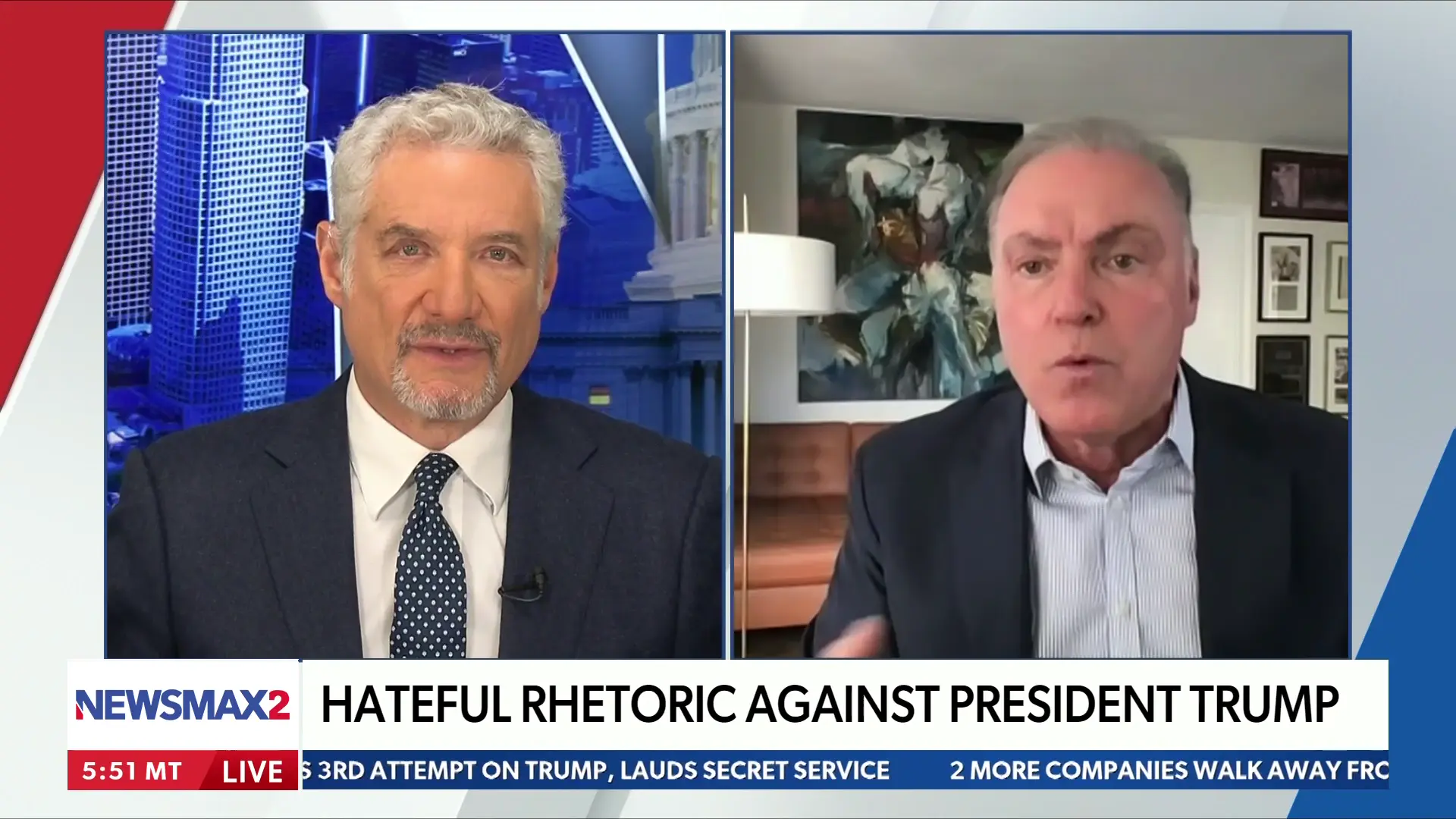
Lead: A day of escalating geopolitical tensions, security failures, and economic pressures has reshaped the global landscape. From the Strait of Hormuz to the White House, the stakes have never been higher.
The world woke to a new round of diplomatic brinkmanship as Iran’s proposal to reopen the Strait of Hormuz triggered immediate responses from Washington and its allies. Meanwhile, a security breach at the Washington Hilton has exposed critical vulnerabilities in presidential protection protocols, prompting urgent calls for reform. Economic indicators are flashing warning signs, with oil prices surging and consumer sentiment plummeting amid geopolitical instability.
This comprehensive roundup distills the most consequential stories of the day, drawing on exclusive interviews, panel discussions, and breaking updates to reveal what’s unfolding and why it matters.
Top Political News, Issues and People
Iran Strait of Hormuz: A Diplomatic Powder Keg
The Big Picture: Iran’s proposal to reopen the Strait of Hormuz has set off a chain reaction of diplomatic and military responses, with the U.S. and its allies weighing their options. The proposal, framed as a move to ease regional tensions, has instead intensified fears of a blockade and a potential military confrontation.
The segment on Iran Strait of Hormuz Negotiations [102 sec] brings together experts including James Rosen, Blaine Holt, and Tony Schaefer to dissect Iran’s motivations and the U.S. response. The discussion highlights the fragility of the current diplomatic stalemate, with Iran’s Foreign Minister Araghi warning that any attempt to block the strait would trigger a ‘time bomb’ of regional war. The analysis underscores the economic vulnerabilities of Iran, already reeling from sanctions, and the potential for a broader conflict that could draw in NATO and the European Union.
The geopolitical implications are stark. Europe’s energy dependence on Middle Eastern oil makes it particularly vulnerable, while the U.S. faces a delicate balancing act between deterrence and diplomacy. The segment also touches on the role of Russia and China in the region, with Putin’s government positioning itself as a mediator while pursuing its own strategic interests.
What Changed: The proposal to reopen the strait is a tactical shift by Iran, designed to pressure the U.S. into easing sanctions. However, the U.S. response has been firm, with Secretary of State Rubio emphasizing that military options remain on the table. The segment reveals how this standoff is reshaping alliances and testing the resolve of the international community.
White House Security Breach: A Failure of Protocols
The Big Picture: A security breach at the Washington Hilton, where a suspect approached secured areas, has exposed critical flaws in the Secret Service’s protection protocols. The incident, which occurred during an event attended by high-profile officials, has sparked a national conversation about presidential safety and the adequacy of current security measures.
The segment Breaking analysis of White House security breach incident [4 sec] provides an immediate overview of the breach, while Comprehensive security protocol discussion and presidential safety measures [245 sec] delves into the inadequacies of the Secret Service’s approach. The discussion features interviews with Charles Marino and Joe Imperatrice, who critique the agency’s reliance on outdated protocols and call for sweeping reforms.
The analysis reveals a pattern of complacency, with experts pointing to a lack of coordination between the Secret Service, the FBI, and local law enforcement. The segment also highlights the psychological toll on the president and his family, as well as the broader implications for national security. The call for reform is urgent, with proposals ranging from technological upgrades to structural overhauls of the Secret Service.
What Changed: The breach has forced a reckoning within the Secret Service, with internal reviews already underway. The incident has also galvanized political leaders, including Vice President (implied) and White House Press Secretary Caroline Levitt, to demand accountability and swift action. The segment underscores the need for a holistic approach to presidential protection, one that addresses both physical and digital threats.
Political Rhetoric and Media Bias: A Nation Divided
The Big Picture: The media landscape is increasingly fractured, with outlets like MSNBC, CNN, and Fox News amplifying political divisions. The segment Political Rhetoric and Media Criticism [258 sec] brings together Jimmy Kimmel, Stephen Colbert, and Al Sapienza to dissect the role of media bias in shaping public opinion and fueling political extremism.
The discussion focuses on the need for constructive dialogue and policy alignment with the president, with Kimmel and Colbert acknowledging the corrosive effects of partisan rhetoric. The segment also explores the role of social media in amplifying divisive narratives, with experts warning that the current environment is ripe for further radicalization.
What Changed: The segment reveals a growing recognition among media personalities that their platforms are being weaponized for political gain. The call for a return to civil discourse is timely, as the nation grapples with the aftermath of a shooting at the White House Correspondents’ Dinner and the broader threat of political violence.
King Charles’s State Visit: A Test for U.S.-UK Relations
The Big Picture: King Charles’s state visit to the U.S. has taken on added significance amid rising tensions between Washington and London. The interview segment Royal Diplomacy and Foreign Policy [129 sec] with Hillary Fordwich explores the historical context of the visit, its challenges, and its potential to strengthen the U.S.-UK relationship.
The discussion highlights the role of Prime Minister Sir Keir Starmer in navigating the visit, as well as the broader geopolitical tensions with Iran and Russia. Fordwich emphasizes the importance of the ‘special relationship’ in addressing global challenges, from energy security to NATO’s role in deterring aggression.
What Changed: The visit comes at a critical juncture, with both nations facing internal and external pressures. The segment underscores the symbolic and practical importance of the visit, as well as the need for sustained diplomatic engagement to address shared threats.
Roger Stone: Political Violence and False Flag Theories
The Big Picture: Political advisor Roger Stone has emerged as a vocal critic of left-wing rhetoric, warning that it is fueling a climate of political violence. The segment Roger Stone interview on political threats and security concerns [10 sec] and Roger Stone on political rhetoric and violence [97 sec] delve into Stone’s analysis of the current political landscape, including his claims of a ‘false flag’ operation surrounding recent attacks.
Stone’s commentary is controversial, with critics accusing him of stoking division. However, the segment reveals the depth of his concerns about the erosion of democratic norms and the rise of extremism on both sides of the political spectrum. The discussion also touches on the role of media in amplifying divisive narratives and the need for a return to civil discourse.
What Changed: Stone’s warnings have resonated with some segments of the political right, while others dismiss them as alarmist. The segment underscores the urgency of addressing the root causes of political violence, from economic inequality to the weaponization of social media.
Press Monitor Clips: Iran Strait of Hormuz Negotiations; Breaking analysis of White House security breach incident; Comprehensive security protocol discussion and presidential safety measures
Top Business News, Issues and People
Iran-U.S. Relations and Global Energy Dynamics: A High-Stakes Gamble
The Big Picture: The standoff over the Strait of Hormuz is not just a geopolitical crisis—it’s an economic one. The segment Iran-U.S. Relations and Global Energy Dynamics [490 sec] provides a comprehensive analysis of the potential fallout from a blockade, including soaring oil prices, supply chain disruptions, and the vulnerability of Europe’s energy security.
The discussion features experts including Lloyds of London, who warn that a blockade could trigger an economic collapse in Iran while exacerbating Europe’s energy crisis. The segment also explores the role of NATO and the European Union in mitigating the fallout, as well as the potential for a negotiated settlement.
What Changed: The economic stakes have raised the temperature of the diplomatic standoff, with both sides carefully calibrating their responses to avoid a full-blown conflict. The segment reveals the delicate balance between deterrence and diplomacy, as well as the need for a coordinated international response.
Economic Indicators and Market Outlook: Storm Clouds on the Horizon
The Big Picture: Consumer sentiment is plummeting, oil prices are surging, and geopolitical tensions are casting a shadow over the global economy. The segment Consumer sentiment and economic trends [63 sec] and Economic indicators and market outlook [122 sec] provide a sobering assessment of the current economic landscape, with experts warning of a potential downturn.
Mitch Feierstein, a prominent economic analyst, attributes the decline in consumer sentiment to a combination of geopolitical tensions and economic uncertainty. The segment also touches on the role of Goldman Sachs in shaping market expectations, as well as the potential for a recession in the coming months.
What Changed: The economic indicators are flashing warning signs, with traders anticipating worsening shortages and higher prices. The segment underscores the need for policymakers to address the root causes of economic instability, from supply chain disruptions to the impact of sanctions on global trade.
Steve Jobs: Life, Legacy, and Impact on Technology
The Big Picture: Steve Jobs’s life and legacy continue to inspire generations of innovators. The segment Steve Jobs: Life, Legacy, and Impact on Technology [303 sec] provides a retrospective on Jobs’s early struggles, his visionary contributions to technology, and his philosophical approach to life.
The discussion highlights Jobs’s adoption, his early career, and his conflicts with Apple’s board, as well as his role in shaping the modern tech industry. The segment also explores the lessons of Jobs’s leadership, from his emphasis on design to his relentless pursuit of excellence.
What Changed: Jobs’s legacy is a reminder of the power of innovation to transform society. The segment underscores the importance of fostering a culture of creativity and risk-taking, as well as the need for sustained investment in research and development.
Oil Market Shortages Explained: A Supply Chain Crisis
The Big Picture: The oil market is facing a supply chain crisis, with traders anticipating worsening shortages and higher prices. The segments Oil Market Analysis [3 sec] and Oil Market Shortages Explained [13 sec] provide a technical analysis of the current market dynamics, including the role of supply constraints in driving up prices.
The discussion highlights the role of geopolitical tensions in exacerbating the crisis, as well as the potential for a coordinated international response to stabilize the market. The segment also touches on the role of OPEC and other oil-producing nations in managing supply and demand.
What Changed: The oil market is at a tipping point, with the potential for a full-blown supply crisis looming. The segment underscores the need for policymakers to address the root causes of the crisis, from sanctions to the impact of climate change on energy production.
Press Monitor Clips: Iran-U.S. Relations and Global Energy Dynamics; Steve Jobs: Life, Legacy, and Impact on Technology; Oil Market Shortages Explained
Top Sports News, Issues and People
1980 Winter Olympics: USA vs USSR Hockey – A Historic Victory
The Big Picture: The 1980 Winter Olympics hockey game between the USA and USSR remains one of the most iconic moments in sports history. The segment 1980 Winter Olympics - USA vs USSR Hockey [32 sec] provides a detailed recap of the game, including key moments and the American team’s historic victory.
The discussion highlights the role of coach Herb Brooks in leading the team to victory, as well as the broader significance of the game in the context of the Cold War. The segment also touches on the legacy of the 1980 Olympics and its impact on the sport of hockey.
What Changed: The victory was a defining moment for American sports, inspiring a generation of athletes and fans. The segment underscores the power of teamwork and perseverance in achieving the impossible.
Tom Brady’s Early Career: From High School to the NFL
The Big Picture: Tom Brady’s journey from high school to the NFL is a testament to his work ethic and determination. The segments Tom Brady's Early Career [24 sec] and Tom Brady's NFL Journey [33 sec] provide a biographical overview of Brady’s early years, including his high school achievements and his selection in the 6th round of the NFL Draft by the New England Patriots.
The discussion highlights Brady’s versatility as a multi-sport athlete, as well as his transition from college football to the professional ranks. The segment also touches on the challenges he faced and the lessons he learned along the way.
What Changed: Brady’s career is a reminder of the power of perseverance and adaptability. The segment underscores the importance of fostering a culture of excellence in sports, as well as the need for sustained investment in youth development.
Mark Spitz: Olympic Swimming Legend
The Big Picture: Mark Spitz’s dominance in Olympic swimming is the stuff of legend. The segment Mark Spitz: Olympic Swimming Legend [15 sec] provides a biographical profile of Spitz, including his early swimming career, Olympic achievements, and personal anecdotes about his mustache and competitive spirit.
The discussion highlights Spitz’s world records and his role in shaping the modern sport of swimming. The segment also touches on the legacy of the 1972 Olympics and its impact on the sport.
What Changed: Spitz’s career is a testament to the power of discipline and dedication. The segment underscores the importance of fostering a culture of excellence in sports, as well as the need for sustained investment in athletic development.
Press Monitor Clips: 1980 Winter Olympics - USA vs USSR Hockey; Tom Brady's Early Career; Mark Spitz: Olympic Swimming Legend
Other Top News, Issues and People
White House Correspondents’ Dinner Shooting: A Nation on Edge
The Big Picture: The shooting at the White House Correspondents’ Dinner has sent shockwaves through the nation, exposing deep divisions and raising questions about political extremism. The segments White House Correspondents' Dinner Shooting: Suspect Profile [9 sec], White House Shooting: Manifesto Details [9 sec], and White House Shooting: Media and Political Reactions [542 sec] provide a comprehensive overview of the incident, its aftermath, and its broader implications.
The discussion features exclusive interviews with family members of the suspect, as well as analysis from political figures including Nicole Allen, Joe Moeller, and Deneen Borelli. The segments reveal the suspect’s anti-Trump and anti-Christian manifesto, as well as the FBI’s ongoing investigation into his ties to political extremists.
What Changed: The shooting has exposed the fragility of the nation’s political discourse and the urgent need for a return to civil dialogue. The segments underscore the role of media in amplifying divisive narratives, as well as the need for sustained efforts to address the root causes of political violence.
Personal Story of Exile and Resistance: A Voice from Iran
The Big Picture: The story of a woman arrested in Iran for singing rock music is a powerful testament to the struggle for artistic expression and political freedom. The segment Personal Story of Exile and Resistance [11 sec] provides an intimate look at her journey from a film festival in Italy to her imprisonment and eventual escape.
The discussion highlights the role of political persecution in silencing dissent, as well as the power of art to challenge oppressive regimes. The segment also touches on the broader struggle for human rights in Iran and the role of the international community in supporting exiled artists.
What Changed: The story is a reminder of the power of resilience and the importance of standing up for one’s beliefs. The segment underscores the need for sustained international pressure to address human rights abuses in Iran and other oppressive regimes.
Disney’s Response to Jimmy Kimmel’s Show Suspension: A Corporate Dilemma
The Big Picture: Disney’s corporate response to Jimmy Kimmel’s controversial remarks has sparked a broader debate about the role of media in shaping public opinion. The segment Disney's response to Jimmy Kimmel's show suspension [16 sec] provides an analysis of Disney’s decision to suspend Kimmel’s show, as well as the broader implications for corporate responsibility and free speech.
The discussion highlights the role of ABC’s parent company in shaping Disney’s response, as well as the broader debate about the weaponization of media for political gain. The segment also touches on the role of Turning Point USA and other conservative groups in amplifying the controversy.
What Changed: The incident has exposed the tensions between corporate responsibility and free speech, as well as the need for sustained efforts to address the root causes of political polarization. The segment underscores the importance of fostering a culture of civil discourse in the media landscape.
Security Protocol Critique and Presidential Safety Concerns: A National Reckoning
The Big Picture: The security breach at the Washington Hilton has forced a national reckoning about the adequacy of presidential protection protocols. The segment Security protocol critique and presidential safety concerns [12 sec] provides an analysis of the Secret Service’s response to the breach, as well as the broader implications for national security.
The discussion features interviews with experts including Charles Marino and Joe Imperatrice, who critique the agency’s reliance on outdated protocols and call for sweeping reforms. The segment also highlights the psychological toll on the president and his family, as well as the need for a holistic approach to presidential protection.
What Changed: The breach has exposed critical flaws in the Secret Service’s approach, prompting urgent calls for reform. The segment underscores the need for a coordinated response to address both physical and digital threats to presidential safety.
Press Monitor Clips: White House Correspondents' Dinner Shooting: Suspect Profile; White House Shooting: Media and Political Reactions; Personal Story of Exile and Resistance

Industry Solutions