Global Markets, Geopolitics and Fed Drama: The 8 Stories That Defined April 14, 2026


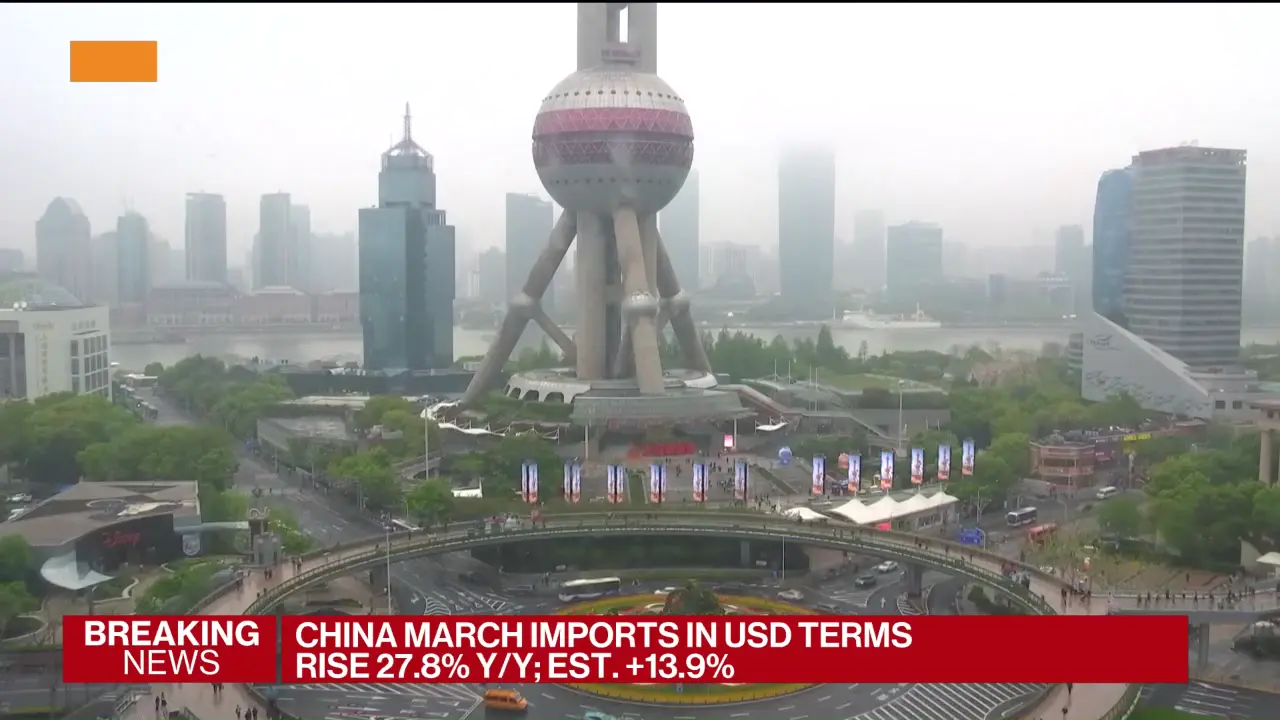
Global markets, central banks, and geopolitical flashpoints dominated the news cycle on April 14, 2026, as investors navigated a landscape of rising oil prices, stubborn inflation, and a high-stakes Federal Reserve nomination battle in Washington. From Christine Lagarde’s warnings on geopolitical risks to the Bank of Japan’s shifting inflation calculus, the day’s coverage revealed how fragile global stability remains amid escalating tensions in the Middle East and persistent trade disputes between the U.S. and Mexico.
Top Political News, Issues and People
The Senate Banking Committee’s confirmation hearing for Kevin Warsh’s nomination to chair the Federal Reserve became the defining political drama of the day, exposing deep divisions over the Fed’s independence and the direction of U.S. monetary policy. Senator Tom Tillis, a Republican from North Carolina, took center stage, leading a charge against Warsh’s nomination with accusations of ethical lapses and a broader investigation into the Fed’s operations. The hearing, described as a ‘political earthquake’ by one analyst, underscored the growing politicization of central banking and raised questions about whether the Fed can maintain its independence in an era of heightened partisan scrutiny.
Christine Lagarde, President of the European Central Bank, delivered a stark warning during an exclusive interview with Bloomberg, linking the war in Ukraine and broader Middle East conflicts to persistent inflationary pressures and slower global growth. Lagarde’s remarks came as oil prices surged, with the Strait of Hormuz—a critical chokepoint for global energy supplies—emerging as a flashpoint for potential supply disruptions. Her comments were echoed in a separate panel discussion, where she emphasized that central banks must balance inflation control with the need to support economic growth amid geopolitical uncertainty.
Meanwhile, U.S.-Mexico trade relations took a contentious turn as tariff negotiations intensified, with both governments under pressure to protect domestic manufacturing footprints. A Bloomberg panel discussion highlighted how tariffs could reshape production shifts, particularly in sectors like automotive and electronics, where supply chains are deeply integrated across the border. Analysts warned that escalating trade barriers could accelerate a ‘reshoring’ trend, potentially boosting U.S. manufacturing but also increasing costs for consumers and businesses.
On the domestic front, President Trump’s political pressures mounted as gas prices climbed ahead of the midterm elections, with analysts in a Bloomberg panel noting that rising fuel costs could erode public support and complicate the administration’s legislative agenda. The segment also explored how midterm dynamics might influence Trump’s policy decisions, particularly on energy and infrastructure spending.
Press Monitor Clips: Federal Reserve Nomination Hearing Analysis; ECB President Christine Lagarde on Global Economic Crisis; Bloomberg Geopolitical Update
Top Business News, Issues and People
Global markets faced a trifecta of challenges on April 14: soaring oil prices, geopolitical instability, and divergent central bank policies. A comprehensive market analysis segment dissected how these forces are colliding to create a ‘stagflationary’ environment, where inflation remains stubbornly high while growth slows. The Bank of Japan (BOJ) emerged as a key player, with its inflation forecast revision sparking debate over whether the central bank will hike rates sooner than expected. Erica Yokoyama, a Bloomberg contributor, noted that rising oil prices and Middle East tensions are ‘rewriting the BOJ’s playbook,’ forcing policymakers to reconsider their ultra-loose stance.
In Europe, equities showed resilience despite the geopolitical headwinds, with a Bloomberg panel attributing gains to optimism around potential U.S.-Iran peace talks. The discussion highlighted how de-escalation in the Middle East could ease energy market pressures and boost investor sentiment, particularly in Asian equities, which reacted positively to Wall Street’s optimism. However, analysts cautioned that any setback in the talks could quickly reverse these gains, underscoring the fragility of the current market rally.
The U.S. banking sector provided a rare bright spot, with a Bloomberg panel discussion revealing record trading revenue and deal activity in the first quarter. Herman Chan, a financial analyst, attributed the performance to ‘geopolitical turmoil driving volatility,’ which created opportunities for banks to capitalize on trading and advisory services. However, the segment also flagged concerns over private credit exposure, with some institutions facing increased scrutiny over their lending practices in a high-interest-rate environment.
Venezuela’s central bank made headlines as sanctions and political instability continued to roil the country’s oil sector, with a Bloomberg panel warning that further disruptions could exacerbate global oil supply shortages. The discussion tied Venezuela’s woes to broader geopolitical risks, including the potential for conflict in the Strait of Hormuz, which could send oil prices surging and derail global economic recovery efforts.
Press Monitor Clips: Comprehensive Market Analysis: Oil, Tech, and Geopolitical Risks; BOJ Policy Signals and Market Reactions; U.S. Banking Sector Analysis
Top Sports News, Issues and People
The sports world was rocked by controversy as New Jersey Transit proposed a $100 ticket price for World Cup games, sparking outrage over affordability and potential ‘surge pricing’ tactics. The segment, which included reactions from analysts and government officials, highlighted how ticket pricing has become a flashpoint for broader debates about accessibility and commercialization in global sporting events. Governor Kathy Hogan of New Jersey was quoted warning that such pricing could ‘price out’ average fans and undermine the spirit of the World Cup.
Formula One’s Ferrari team took center stage in a candid interview, with team members discussing the intense pressure to innovate and compete in a sport where margins for error are razor-thin. The segment explored Ferrari’s business strategy, including its focus on racing culture and the challenges of balancing tradition with the need for technological advancement. Analysts noted that Ferrari’s struggles reflect a broader trend in motorsport, where financial muscle and engineering prowess are increasingly decisive factors.
A tennis player, reflecting on a storied career, offered a poignant look at the challenges of timing retirement and maintaining consistency in a physically demanding sport. The interview touched on the mental and physical toll of professional athletics, as well as the difficulty of walking away from a career that defines identity and purpose. The segment resonated as a reminder of the human stories behind the headlines in elite sports.
Press Monitor Clips: World Cup ticket pricing scandal; Ferrari business strategy and racing culture; Tennis Player Career Reflection
Other Top News, Issues and People
Citigroup’s transformation under CEO Jane Fraser took a new turn as a Bloomberg panel discussed the bank’s progress in navigating regulatory challenges and improving financial performance. The segment highlighted Fraser’s efforts to streamline operations and refocus the bank’s strategy, though analysts cautioned that lingering reputational risks could continue to weigh on Citigroup’s prospects.
The turnaround story of Food52, a digital media brand, became a case study in corporate reinvention, with a Bloomberg panel dissecting the company’s restructuring efforts, cost reductions, and strategic vision. The discussion emphasized the importance of organic growth and acquisitions in repositioning Food52 for long-term success, while also exploring the role of board members in driving transformation. Melody Hobson, a prominent board member, shared insights on the challenges of balancing external perspectives with internal execution.
Geopolitical developments continued to dominate the news, with a Bloomberg panel analyzing the potential market implications of U.S.-Iran peace talks. The segment noted that even the prospect of de-escalation could boost investor confidence, particularly in equities markets across Asia. However, analysts warned that the path to lasting peace remains fraught with obstacles, and any misstep could quickly reverse the current optimism.
In a lighter vein, the introduction to Bloomberg’s weekend programming offered a glimpse into the network’s approach to breaking news, with anchors David Guerrero, Lisa Mateo, and Christina Rafini setting the stage for coverage from Wall Street to Washington. The segment underscored the network’s commitment to delivering timely, insightful analysis amid a rapidly evolving news landscape.
Press Monitor Clips: Citi CEO Transformation Update; Food52 Turnaround Narrative; US-Iran Talks and Market Implications

Industry Solutions