Global Markets on Edge: Geopolitical Tensions, Tech Earnings and Fed Policy Dominate April 27 Roundup


Lead: Global markets remain on edge as geopolitical tensions in the Persian Gulf escalate alongside a packed earnings week and shifting Federal Reserve policy expectations. The U.S. blockade on Iranian-flagged ships, combined with blockbuster tech earnings and fresh hiring data, has created a volatile landscape for investors navigating both macroeconomic risks and sector-specific opportunities.
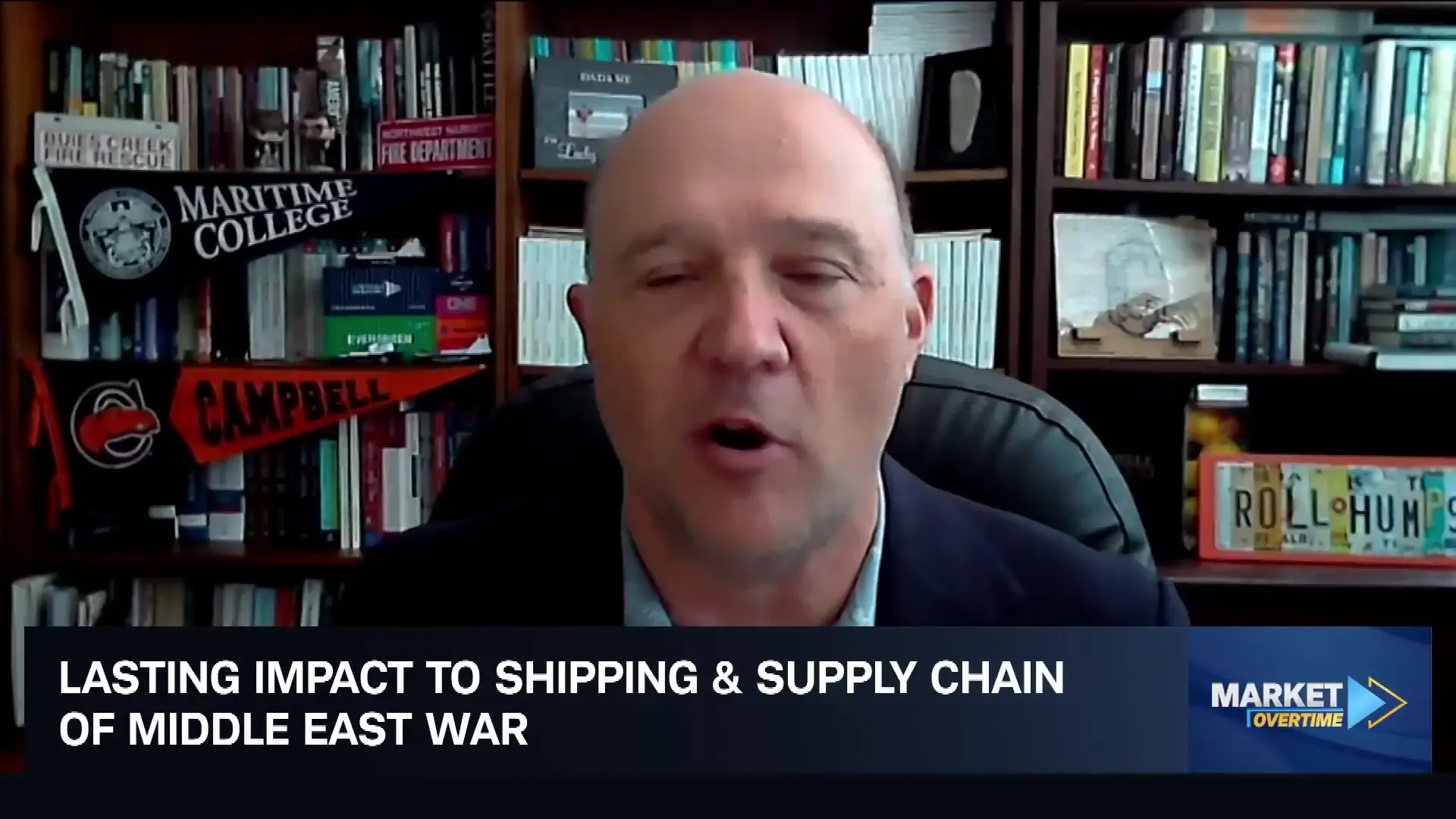
Geopolitical flashpoints are driving uncertainty across energy markets and supply chains. The U.S. announcement of a blockade targeting Iranian vessels in the Strait of Hormuz has triggered immediate concerns over global trade disruptions, shipping costs, and the humanitarian impact on merchant mariners. Analysts warn that the blockade—justified as targeting specific vessels while allowing humanitarian shipments—could have far-reaching consequences for oil prices, equities, and international law. The move comes amid broader tensions involving Iran, Russia, and the U.S., with implications for regional stability and global trade patterns.
Tech earnings are taking center stage this week, with major players like Meta, Microsoft, Alphabet, and Intel reporting results that are reshaping market sentiment. Hyperscalers are under scrutiny for their capital expenditure trajectories, while semiconductor stocks face volatility amid analyst downgrades and shifting competitive dynamics. The performance of these companies is not only influencing sector-specific trends but also serving as a bellwether for broader market sentiment, particularly as investors assess the impact of AI investments and geopolitical risks on long-term growth.
Federal Reserve policy remains a critical variable, with policymakers signaling a cautious approach amid mixed economic data. The Fed's stance on interest rates is being closely watched as inflation pressures and geopolitical risks complicate the outlook. Meanwhile, real estate tax policies in New York are sparking debate over their potential market impacts, adding another layer of complexity to the economic landscape.
Hiring trends are also in focus, with entry-level job markets evolving rapidly in response to AI integration and shifting employer expectations. The discussion around flexibility, remote work, and the long-term impact of AI on employment is gaining traction, reflecting broader concerns about workforce adaptation in a technology-driven economy.
This roundup distills the most consequential stories from April 27, highlighting the interplay between geopolitics, corporate earnings, and macroeconomic policy. From the U.S. blockade in the Persian Gulf to the latest tech earnings and Fed policy signals, these developments are shaping the investment landscape and setting the stage for the weeks ahead.
ameritrade's Best Political Coverage: Escalating Geopolitical Risks and Policy Crosscurrents
U.S.-Iran tensions and the Strait of Hormuz blockade
The U.S. government's decision to impose a blockade on Iranian-flagged ships has sent shockwaves through global trade and energy markets. The move, announced by the U.S. Department of Defense and Central Command, targets specific vessels while ostensibly allowing humanitarian shipments. However, analysts warn that the blockade could trigger supply chain disruptions, fuel shortages, and food insecurity, particularly in regions dependent on Persian Gulf trade routes. The immediate economic consequences include rising shipping costs, volatility in oil prices, and potential market turbulence as companies reassess their exposure to geopolitical risks.
The blockade has also reignited debates over the legal and ethical implications of military actions taken without a formal declaration of war. Discussions centered on the War Powers Act highlight concerns about the balance between executive authority and congressional oversight, particularly in the context of economic coercion and military posturing. The U.S. government's response—including a $40 billion defense funding package—has done little to ease concerns about escalation or unintended consequences.
Meanwhile, the first U.S.-Iran dialogue since the 1970s has raised hopes for diplomatic breakthroughs, though analysts caution that economic coercion and regional stability remain significant hurdles. The dialogue, which included discussions on humanitarian concerns and trade disruptions, is seen as a tentative step toward de-escalation, but the broader geopolitical landscape remains fraught with risks. The involvement of Russia and other regional players adds further complexity to the negotiations, with implications for global energy markets and trade patterns.
Bibi Netanyahu, President Trump, and the Middle East peace process
The political and diplomatic considerations surrounding a potential peace deal in the Middle East are intensifying, with Bibi Netanyahu, President Trump, and Iran's Supreme Leader playing pivotal roles. Analysts discuss the roles of these key figures in brokering a deal, with Netanyahu facing domestic pressure to address security concerns while Trump seeks to leverage the situation for political gains. The involvement of Iran's Supreme Leader adds a layer of complexity, as regional dynamics and historical grievances complicate the path to peace.
New York's real estate tax policy and its market impact
New York's proposed real estate tax policies are sparking debate over their potential to reshape the state's property market. Analysts and industry leaders, including Dolly Lenz and Ken Griffin, are weighing the implications of these policies on property values, investment flows, and broader economic activity. Comparisons with past tax changes highlight the need for careful consideration of unintended consequences, particularly in a market already grappling with affordability challenges.
Press Monitor Clips: U.S. Announces Blockade on Iranian Ships; Legal and Ethical Implications of U.S. Blockade; Real Estate Tax Policy Analysis

Industry Solutions