Geopolitical Tensions and AI Boom Drive Markets: ameritrade's Daily News Roundup for April 16, 2026


Global markets are navigating a complex landscape of escalating geopolitical tensions and the accelerating AI revolution. From the Strait of Hormuz blockade to President Trump’s economic leverage over Iran, the day’s top stories reveal how geopolitics is reshaping supply chains, energy markets, and investor sentiment. Meanwhile, the AI boom continues to fuel corporate earnings, stock rallies, and sector-wide transformations—with semiconductor giants, logistics firms, and small businesses all feeling the impact.
Top Political News, Issues and People
White House and Tehran Tensions Dominate the Geopolitical Agenda
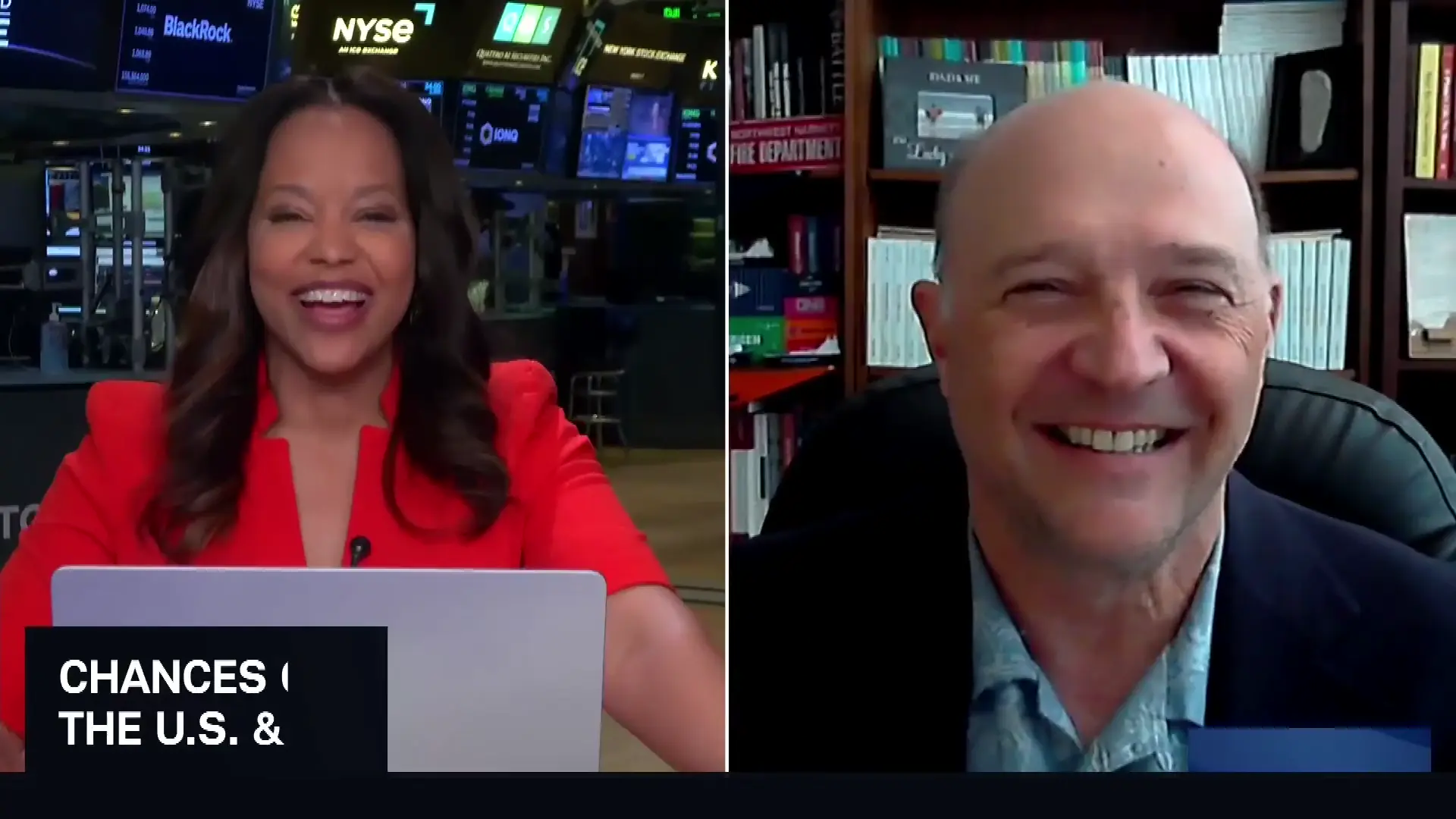
President Trump’s economic leverage over Iran took center stage today as a U.S.-Iran diplomatic meeting produced mixed signals on sanctions and market sentiment. The discussion, anchored by a live interview on ameritrade, explored how President Trump’s use of economic levers—rather than military force—could stabilize or destabilize global markets. Analysts highlighted the delicate balance between maintaining pressure on Tehran and avoiding unintended consequences that could ripple through energy and shipping sectors.
A high-level panel examined the broader implications of a 30-nation meeting in the Persian Gulf, emphasizing the importance of stabilizing the global economic system amid escalating geopolitical tensions. The conversation, framed as a field report from Wall Street, underscored how regional conflicts—particularly in the Strait of Hormuz—are testing the resilience of global trade routes and supply chains. The blockade, described as an act of economic warfare, has already disrupted shipping, triggered food and fuel shortages, and raised questions about the legal and humanitarian consequences of maritime blockades under international law.
Legal and Economic Fallout from the Blockade Strategy
A deep-dive panel discussion dissected the geopolitical and legal implications of the U.S.-led blockade in the Persian Gulf. The analysis compared the current situation to historical precedents, such as the 2021 Suez Canal blockage caused by the Ever Given, and examined the potential for a ceasefire or escalation. Legal experts weighed in on the War Powers Act, the UN Convention on the Law of the Sea, and the risks of miscalculation in a region where military and economic strategies are increasingly intertwined. The segment also explored how the blockade could reshape global oil markets, with crude prices reacting to the threat of supply disruptions.
Fed Policy and Iran War Off-Ramp: A Delicate Balancing Act
Wall Street’s focus turned to the Federal Reserve’s next moves as geopolitical risks collided with domestic economic priorities. A panel of strategists and economists analyzed the potential for an "Iran war off-ramp," discussing how de-escalation could influence Fed policy expectations, including rate hikes or cuts. The conversation highlighted the tension between geopolitical stability and inflation concerns, with some analysts warning that prolonged tensions could delay the Fed’s pivot toward rate cuts—even as economic uncertainty looms large.
Press Monitor Clips:
-
U.S.-Iran Relations and Economic Impact Analysis
-
Geopolitical Analysis and Legal Implications of the Blockade
-
Iran War Off-Ramp and Fed Policy Discussion

Industry Solutions