Fed Chair Warsh Confirmation Battle, AI Boom, and Intel’s 250% Rally: The Week’s Must-Watch Business and Politics Stories


The past week has delivered seismic shifts across Washington’s corridors of power and Wall Street’s trading floors. From the Federal Reserve’s confirmation saga to the AI-driven stock frenzy and Intel’s dramatic turnaround, the stories shaping markets and policy are impossible to ignore. Here’s the curated roundup of the week’s most consequential developments, analyzed through the lens of yahoo-finance’s top coverage.
Top Political News, Issues and People
yahoo-finance's Best Political Coverage: The Fed Chair Warsh Confirmation Saga and Its Market Implications
Senate Republicans Block Kevin Warsh’s Fed Nomination
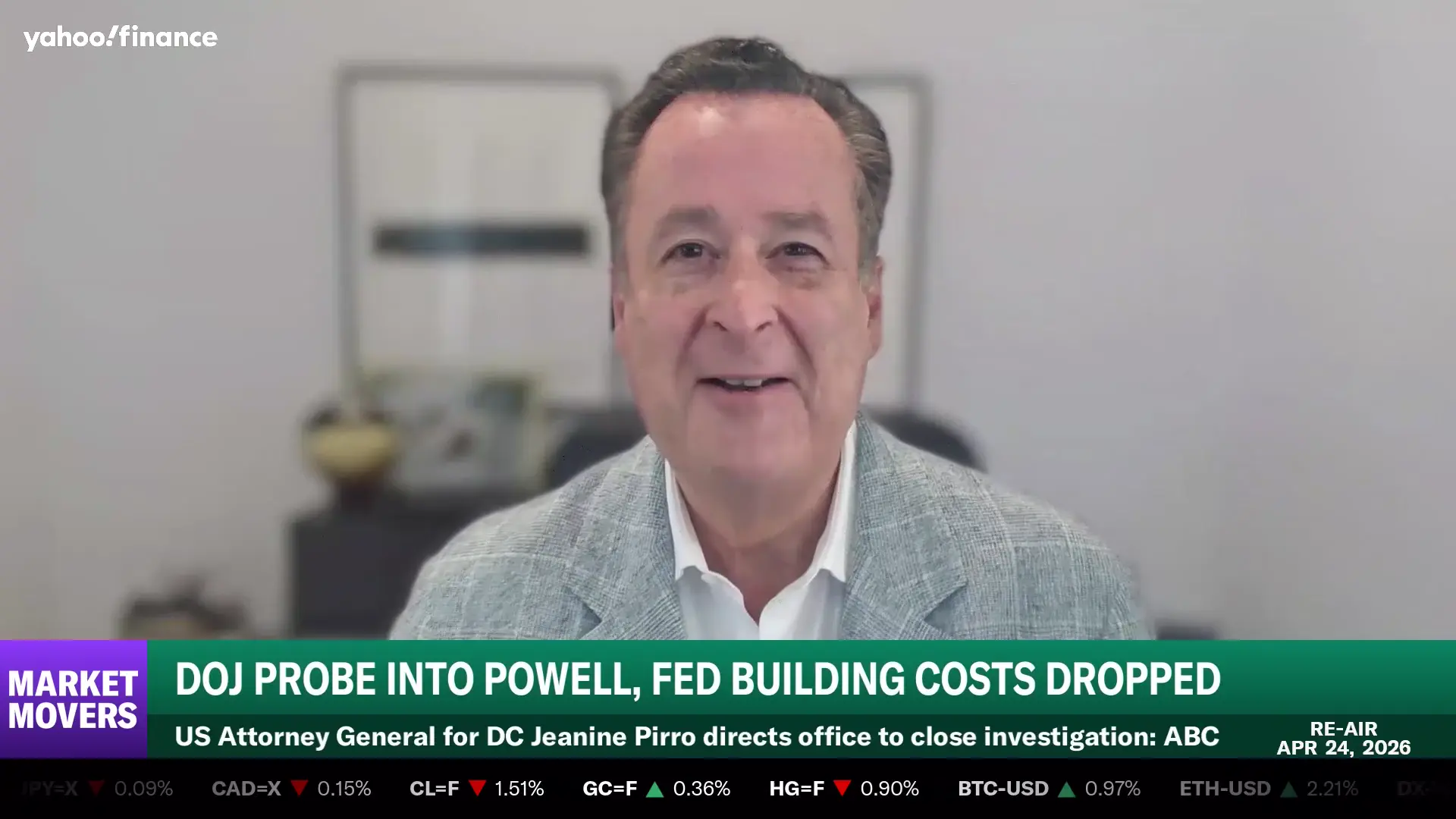
The confirmation process for former Fed Governor Kevin Warsh to chair the Federal Reserve has become a political flashpoint. Senate Republicans, led by Senator Thom Tillis, are obstructing the nomination, citing unresolved investigations into Jerome Powell’s tenure and demanding additional paperwork. The delay threatens to disrupt Fed leadership at a critical juncture, with Warsh’s potential appointment hinging on whether Senate Majority Leader Mitch McConnell can secure the necessary votes. [CLIP: Senate Hearing: Warsh's Confirmation Blocked by Senate Republicans - 247s]
Warsh’s supporters argue that the obstruction reflects broader tensions over Fed independence and the direction of monetary policy. Senator Tillis has tied the confirmation to the resolution of a Department of Justice investigation into Powell, creating a procedural bottleneck. The standoff underscores the growing politicization of the Fed, a traditionally apolitical institution, and raises questions about whether Warsh’s hawkish stance on inflation and Fed balance sheet reduction would align with the administration’s economic priorities.
Fed Committee Dynamics and Dissent Under the Microscope
The Federal Reserve’s internal dynamics are also under scrutiny. A recent committee vote revealed deep divisions over policy direction, with dissenters challenging the Fed’s approach to rate cuts and inflation management. Analysts note that Warsh’s potential leadership could shift the Fed’s communication strategy and dot-plot projections, further complicating the outlook for markets. [CLIP: Federal Reserve confirmation vote and committee dissent analysis - 22s]
The confirmation battle is unfolding against a backdrop of geopolitical uncertainty, with wars in Ukraine and the Middle East adding pressure to global supply chains and inflation expectations. The Fed’s next moves—whether to cut rates or hold steady—will be closely watched as a signal of its commitment to economic stability.
Prediction Markets and Election Forecasts: A New Frontier in Political Betting
Beyond the Fed, prediction markets are emerging as a powerful tool for forecasting election outcomes. Platforms like the SEC-approved ETFs tied to political outcomes are gaining traction, with the CFTC and SEC navigating the regulatory landscape to bring these products to market ahead of the midterms. [CLIP: Prediction Markets and Election Market Convergence: SEC-ETF Approvals - 376s]
Analysts highlight the convergence of prediction markets and financial products, with ETFs now offering exposure to political outcomes. This development reflects a broader trend toward integrating political risk into investment strategies, particularly as midterm elections approach. The accuracy of these markets, compared to traditional polling, is also under debate, with some arguing they provide a more dynamic and responsive barometer of voter sentiment.
Retirement Policy and the Trump Administration’s Economic Vision
President Trump’s proposals to expand access to 401(k) plans and reform retirement savings policies are drawing attention from both policymakers and investors. The administration’s focus on retirement security aligns with broader efforts to stimulate long-term economic growth, though critics warn of potential unintended consequences. [CLIP: Retirement Policy Discussion - 19s]
The debate over retirement policy reflects deeper tensions about the role of government in shaping economic behavior. Proponents argue that expanded access to retirement plans could boost household savings and reduce reliance on social security, while skeptics caution that such reforms may disproportionately benefit higher-income earners.
Press Monitor Clips: Senate Hearing: Warsh's Confirmation Blocked by Senate Republicans; Federal Reserve confirmation vote and committee dissent analysis; Prediction Markets and Election Market Convergence: SEC-ETF Approvals
Top Business News, Issues and People
yahoo-finance's Best Business Coverage: AI, Intel, and the Fed’s Shadow Over Markets
Intel’s 250% Rally: A Semiconductor Comeback Story
Intel’s stock has surged 250% since the U.S. government’s $20 billion investment, transforming the company from a market laggard to a darling of Wall Street. Analysts attribute the rally to a combination of government support, AI-driven demand, and strategic partnerships with tech giants like Google and TerraFab. [CLIP: Intel Stock Analysis: Rally and Strategic Positioning - 48s]
The Philadelphia Semiconductor Index (SOX) has mirrored Intel’s gains, reflecting broader optimism about the sector’s recovery. However, questions linger about the sustainability of the rally, particularly as competition from AMD and Nvidia intensifies. The government’s stake in Intel, combined with its focus on AI workloads and foundry performance, has reshaped the company’s narrative from one of decline to one of resurgence.
AI’s Double-Edged Sword: Productivity Gains vs. Inflation Risks
The debate over AI’s economic impact is intensifying. While proponents argue that AI will drive productivity gains and reduce costs, skeptics warn of inflationary pressures and job displacement. Seth Carpenter, Chief Global Economist at Morgan Stanley, weighs in on the debate, noting that AI adoption could either accelerate growth or exacerbate inequality depending on how it’s deployed. [CLIP: AI Productivity and Inflation Debate - 90s]
The discussion extends to corporate hiring trends, with companies like Tesla and Amazon investing heavily in AI-driven automation. The question remains: Will AI’s benefits outweigh its risks, or will it create a new wave of economic disruption?
Tesla’s Earnings: A Mixed Bag of Innovation and Uncertainty
Tesla’s latest earnings report delivered mixed signals. While the company beat revenue and EPS estimates, its guidance for capital expenditures and production timelines left investors cautious. Elon Musk’s reserved tone during the earnings call contrasted with the company’s ambitious long-term vision, which includes robotaxis, Optimus robots, and expanded chip production. [CLIP: Tesla Earnings: Long-Term Vision and Investor Perspectives - 351s]
Analysts are divided on Tesla’s trajectory. Some see the company’s focus on AI and robotics as a potential game-changer, while others question whether Musk’s vision can translate into sustainable profitability. The stock’s performance remains a bellwether for the broader tech sector, particularly as it grapples with regulatory hurdles and competitive pressures.
P&G’s Earnings: A Beacon of Stability in a Volatile Market
Procter & Gamble delivered another strong quarter, with organic sales growth of 3.4% and broad-based momentum across its brands. Andrei Schon, P&G’s CFO, highlighted the company’s focus on value-added products and strategic investments to sustain growth amid economic headwinds. [CLIP: P&G earnings analysis and market momentum discussion - 96s]
The company’s performance underscores the resilience of consumer staples in a volatile market, with P&G’s brands like Tide Liquid and Tide Maker benefiting from strong demand. The earnings report also reflected the company’s ability to navigate supply chain challenges and inflationary pressures, positioning it as a safe haven for investors.
Zoom’s Valuation Gap: A Stock with Long-Term Potential
Zoom’s stock has become a focal point for analysts debating the company’s long-term potential. While the stock has underperformed in recent years, some argue that its strategic position in the remote work and collaboration space, combined with its valuation gap, presents an opportunity for patient investors. [CLIP: Zoom Stock Analysis: Growth Opportunities - 239s]
The debate over Zoom’s valuation reflects broader tensions in the tech sector, where growth stocks are struggling to justify their premiums amid rising interest rates and economic uncertainty. Zoom’s ability to adapt to changing market dynamics will be critical in determining whether its stock can regain its former glory.
Press Monitor Clips: Intel Stock Analysis: Rally and Strategic Positioning; AI Productivity and Inflation Debate; Tesla Earnings: Long-Term Vision and Investor Perspectives
Top Sports News, Issues and People
yahoo-finance's Best Sports Coverage: The NIL Revolution and College Athletics’ Evolving Landscape
NIL and the Future of College Sports
The Name, Image, and Likeness (NIL) regulations are transforming college athletics, blurring the lines between amateur and professional sports. Cole, a leading voice in sports marketing, discusses how NIL is reshaping the business model of college athletics, with implications for sponsorships, licensing, and revenue-sharing structures. [CLIP: College Sports Market Dynamics and NIL Impact - 173s]
The shift toward NIL has created new opportunities for student-athletes, but it has also raised questions about the long-term sustainability of the college sports model. As private equity firms like TPG enter the space, the industry is poised for further consolidation and innovation.
Press Monitor Clips: College Sports Market Dynamics and NIL Impact
Other Top News, Issues and People
yahoo-finance's Best in Other Coverage: Ancestry, AI, and the Beauty Industry’s Recovery
Ancestry’s AI-Powered Family Storytelling
Ancestry is leveraging AI to revolutionize family history storytelling, using digitized records to create personalized videos that bring ancestors to life. Howard Hochheiser, Ancestry’s CEO, discusses the company’s strategic investments in AI and its potential to reshape the genealogy market. [CLIP: Ancestry's AI-Powered Family Storytelling - 75s]
The company’s focus on AI-driven personalization aligns with broader trends in the tech industry, where AI is being used to enhance user experiences and drive engagement. Ancestry’s ability to balance innovation with privacy concerns will be critical in determining its long-term success.
The Beauty Industry’s Post-COVID Recovery
The beauty industry is staging a remarkable recovery from the supply chain disruptions of the COVID era. Analysts highlight the sector’s resilience, driven by strong demand for skincare and makeup products. The industry’s strategic advantages, including its ability to adapt to changing consumer preferences, have positioned it for continued growth. [CLIP: Introduction to Beauty Industry Performance - 4s]
The recovery reflects broader shifts in consumer behavior, with shoppers increasingly prioritizing self-care and wellness. Brands that can innovate and differentiate themselves are poised to thrive in this evolving landscape.
Costco’s Gold Rush: A New Asset Class for Retail Investors
Costco’s decision to sell gold bars has sparked a retail investment frenzy, with consumers snapping up the precious metal as a hedge against inflation. The company’s move into physical gold reflects changing consumer preferences and the growing demand for alternative assets. [CLIP: Costco Gold Bars: Physical Gold Investment Trend - 22s]
Analysts debate whether Costco’s gold sales are a sustainable trend or a passing fad. The company’s ability to manage inventory and pricing will be critical in determining whether its gold initiative becomes a permanent fixture of its business model.
Press Monitor Clips: Ancestry's AI-Powered Family Storytelling; Introduction to Beauty Industry Performance; Costco Gold Bars: Physical Gold Investment Trend

Industry Solutions