29 April 2026: Pentagon hearings expose Iran war costs, military reform debates and economic fallout


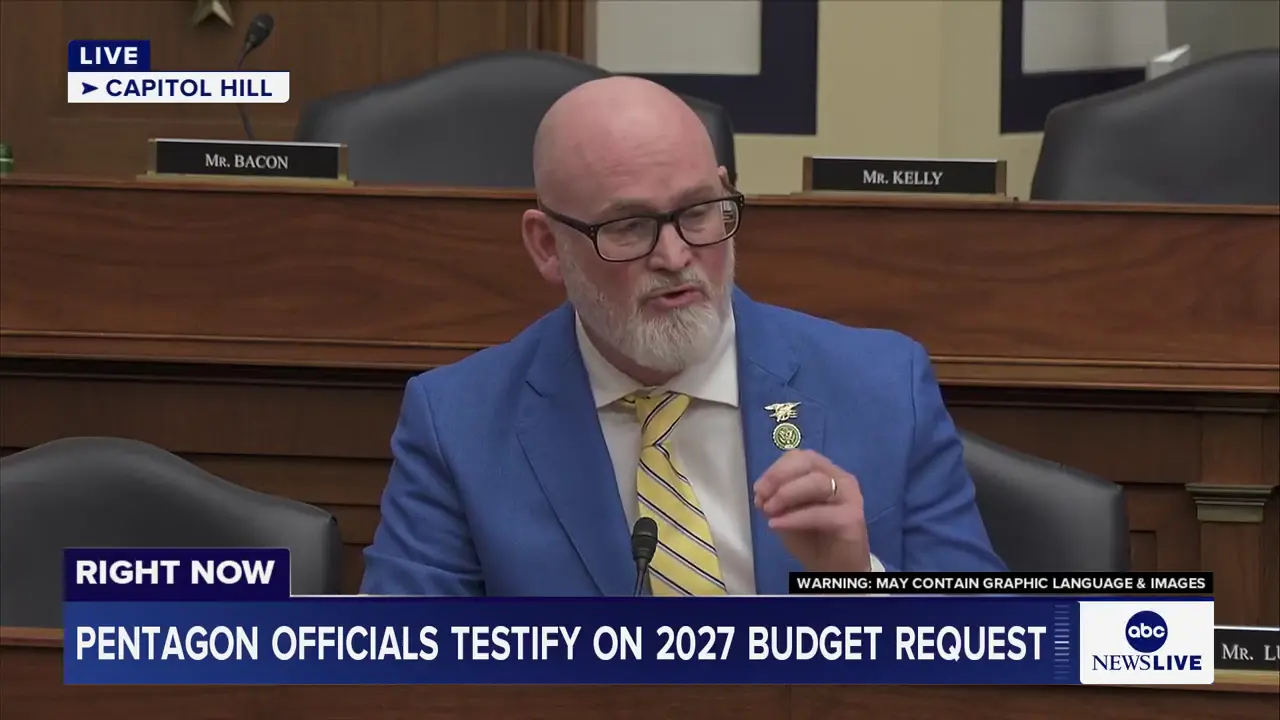
Lead: A day of explosive congressional hearings laid bare the human, financial and strategic costs of America’s widening conflicts in the Middle East, while also exposing deep divisions over military reform, budget priorities and the Pentagon’s acquisition culture.
The Senate and House Armed Services committees convened marathon sessions that stretched from the Strait of Hormuz to Capitol Hill, probing the economic and operational consequences of U.S. strikes on Iran, the readiness of America’s fighting forces and the sustainability of a defence budget now approaching $1.5 trillion.
At the centre of the testimony was Secretary of Defense Jay Hegseth, whose department faced pointed questions over $25 billion in unbudgeted war costs, the depletion of precision munitions and the impact of sanctions on global energy markets. The hearings also exposed simmering tensions between the Pentagon and the White House over the command of military operations and the future of America’s nuclear deterrent.
Key tensions: escalating war costs vs. budget discipline; military readiness vs. rapid modernisation; presidential authority vs. congressional oversight.
What changed: The hearings marked a shift from abstract policy debates to concrete accountability, with lawmakers demanding answers on civilian casualties from AI-guided strikes, the termination of investigations into high-profile incidents and the firing of senior military leaders without presidential approval.
What to watch next: A potential showdown over Iran policy, the outcome of the Pentagon’s acquisition reform and whether the administration’s push to revive domestic manufacturing can outpace the demands of an open-ended regional conflict.

Industry Solutions