US Expands Visa Screening for H-1B and H-4 Applicants


The United States Department of State has announced significant changes to the visa application process for H-1B and dependent H-4 visa applicants. Starting from December 15, 2025, all applicants will be subject to an expanded online presence review, a measure aimed at enhancing national security. This new requirement will also apply to F, M, and J nonimmigrant visa applicants, who are already under similar scrutiny.
New Social Media Requirements
In a bid to strengthen the vetting process, the Department has instructed applicants to set their social media profiles to public. This move is part of a broader initiative to utilise all available information during the visa screening process, allowing authorities to identify individuals who may pose security risks or who do not meet eligibility criteria for entry into the United States.
The State Department highlighted that online presence reviews are critical to ensuring that visa applicants do not harbour intentions that could endanger US national security or public safety. "Every visa adjudication is a national security decision," stated a department spokesperson. "A U.S. visa is a privilege, not a right."
Implications of the New Policy
The expanded vetting measures aim to ensure that all applicants credibly establish their eligibility, including having intentions aligned with the terms of their visa. The Department of State has already been conducting thorough examinations of student and exchange visitor applicants, and this extension to H-1B and H-4 applicants marks a significant shift in the visa application landscape.
The H-1B visa is a nonimmigrant visa that allows U.S. companies to employ foreign workers in specialty occupations. The dependent H-4 visa allows family members of H-1B visa holders to accompany them in the United States. The increase in scrutiny comes amid ongoing discussions about immigration policies and national security, reflecting a trend towards more stringent controls.
Reactions and Concerns
Critics of the policy have raised concerns about privacy and the implications of requiring social media activity to be publicly accessible. They argue that such measures could deter qualified individuals from applying for visas and could lead to self-censorship among applicants who may fear repercussions for their online expression.
The Department of State's decision follows a series of executive directives aimed at tightening immigration controls, signalling a broader commitment to scrutinising the backgrounds of individuals seeking entry into the country. As the visa process evolves, it remains to be seen how these changes will impact the number of applicants and the diversity of skills entering the United States.
The implementation of these policies is likely to generate extensive discussion among immigration advocates, privacy rights organisations, and potential visa applicants as the deadline approaches. The Department of State has opened a channel for public comment on these new requirements, allowing stakeholders to voice their opinions and concerns ahead of the official rollout.
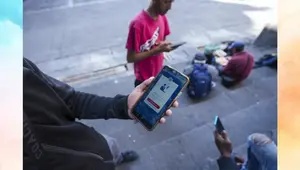
US Seeks Collection of Social Media Handles on Immigration Forms